
Sigma Gloves
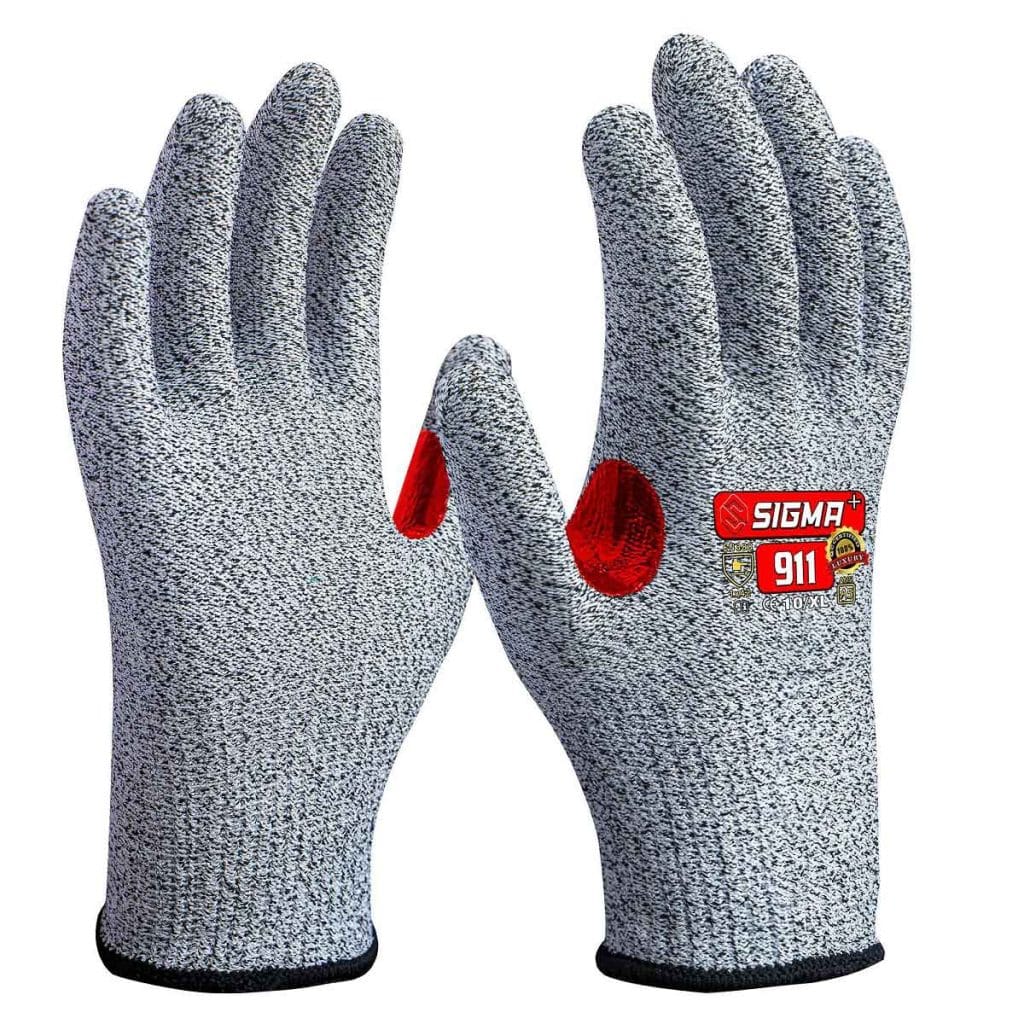
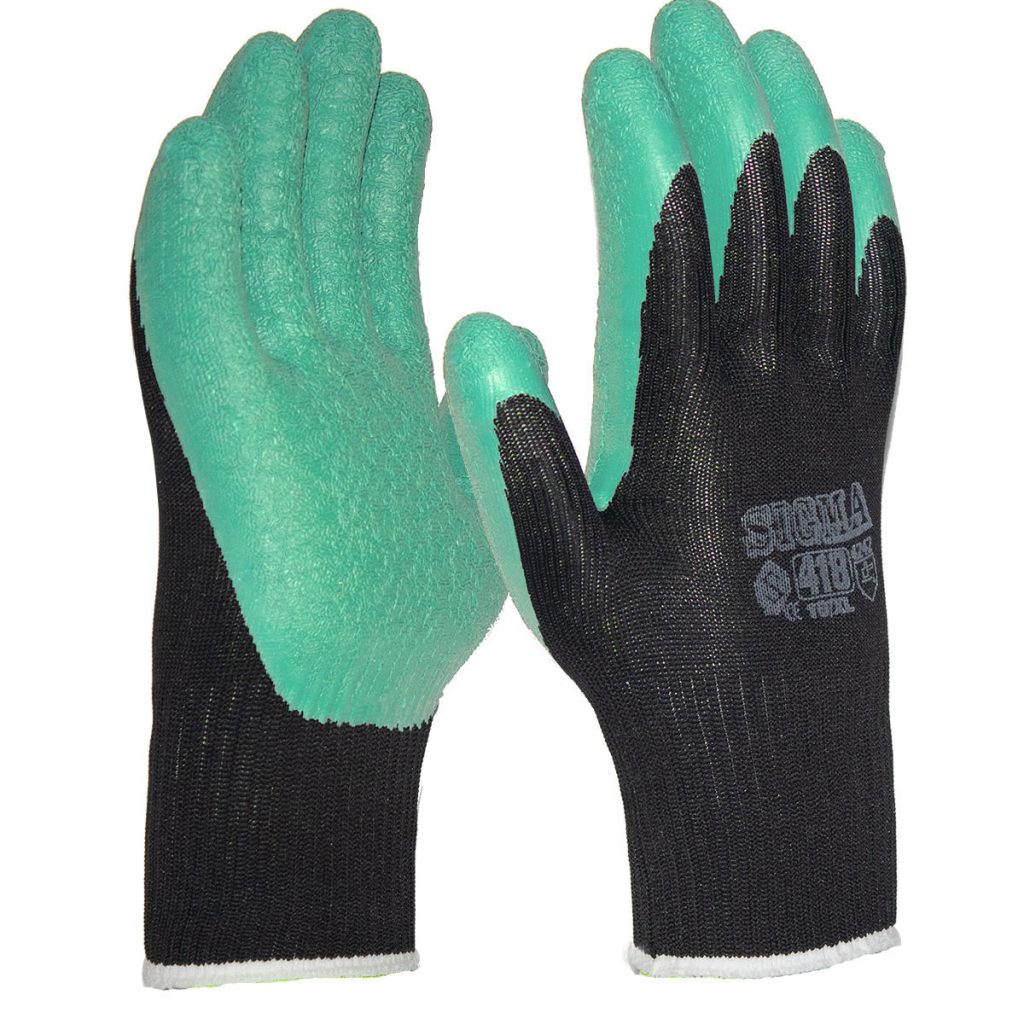
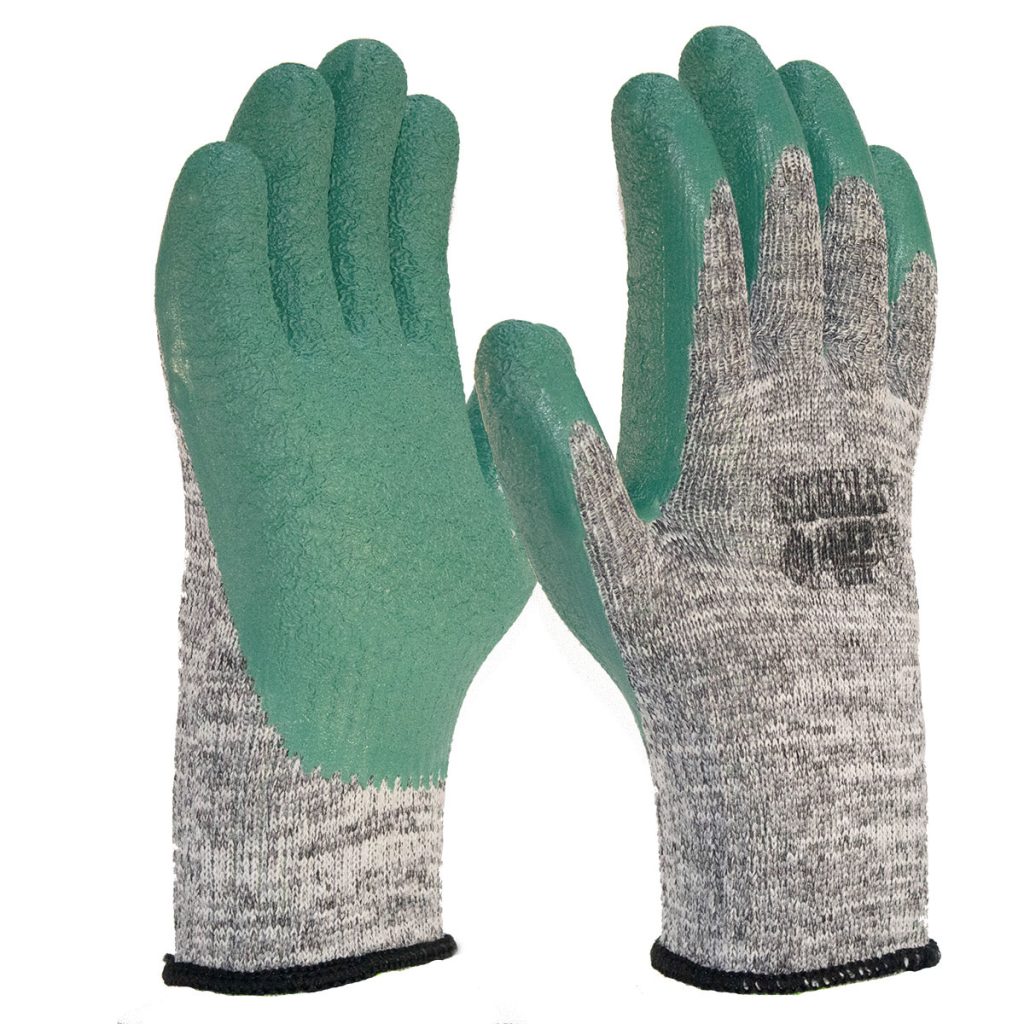
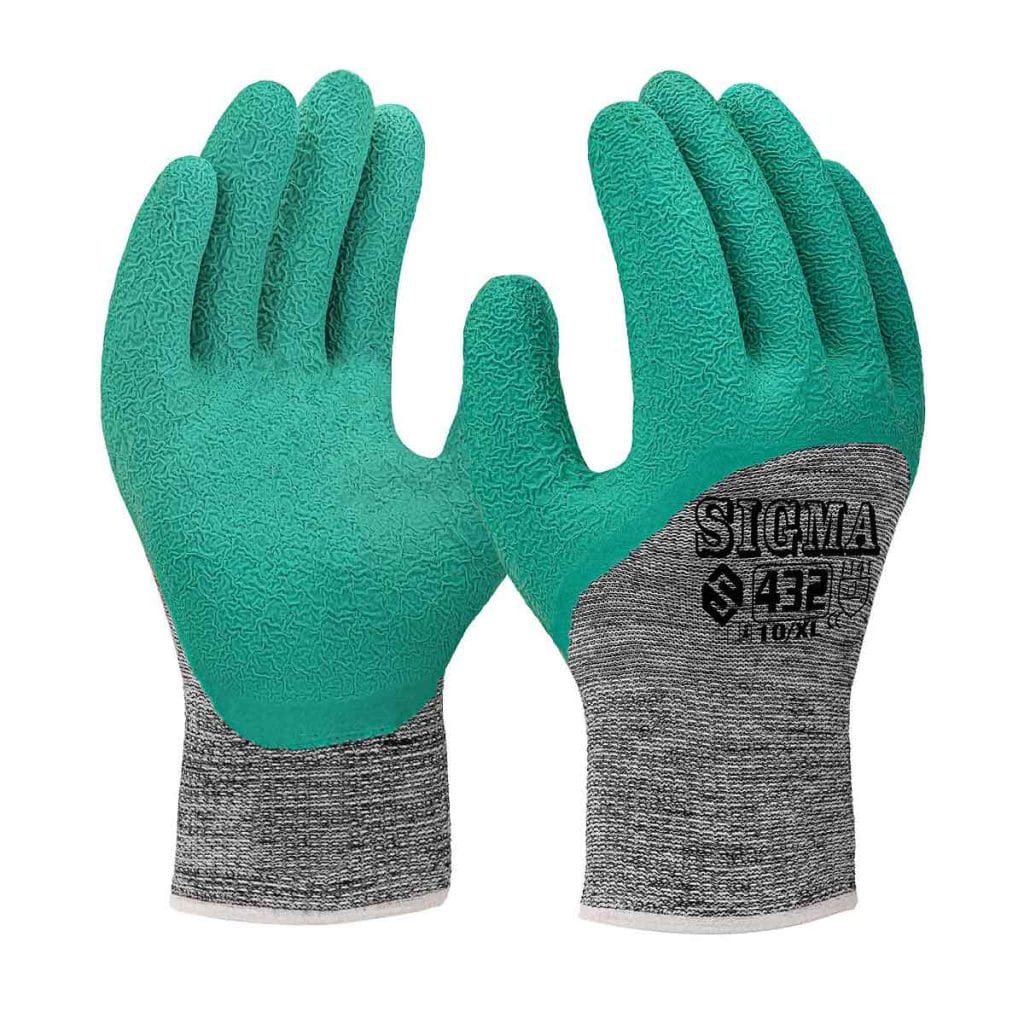
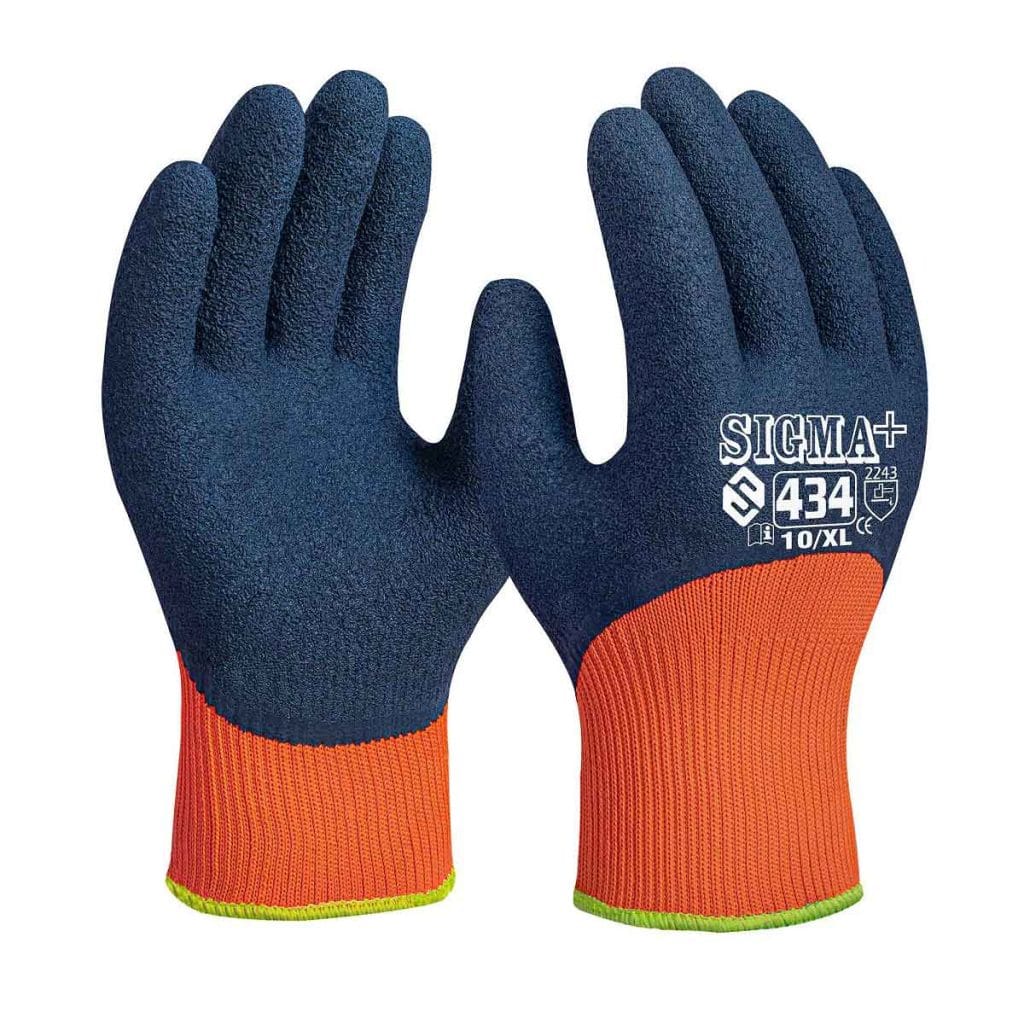
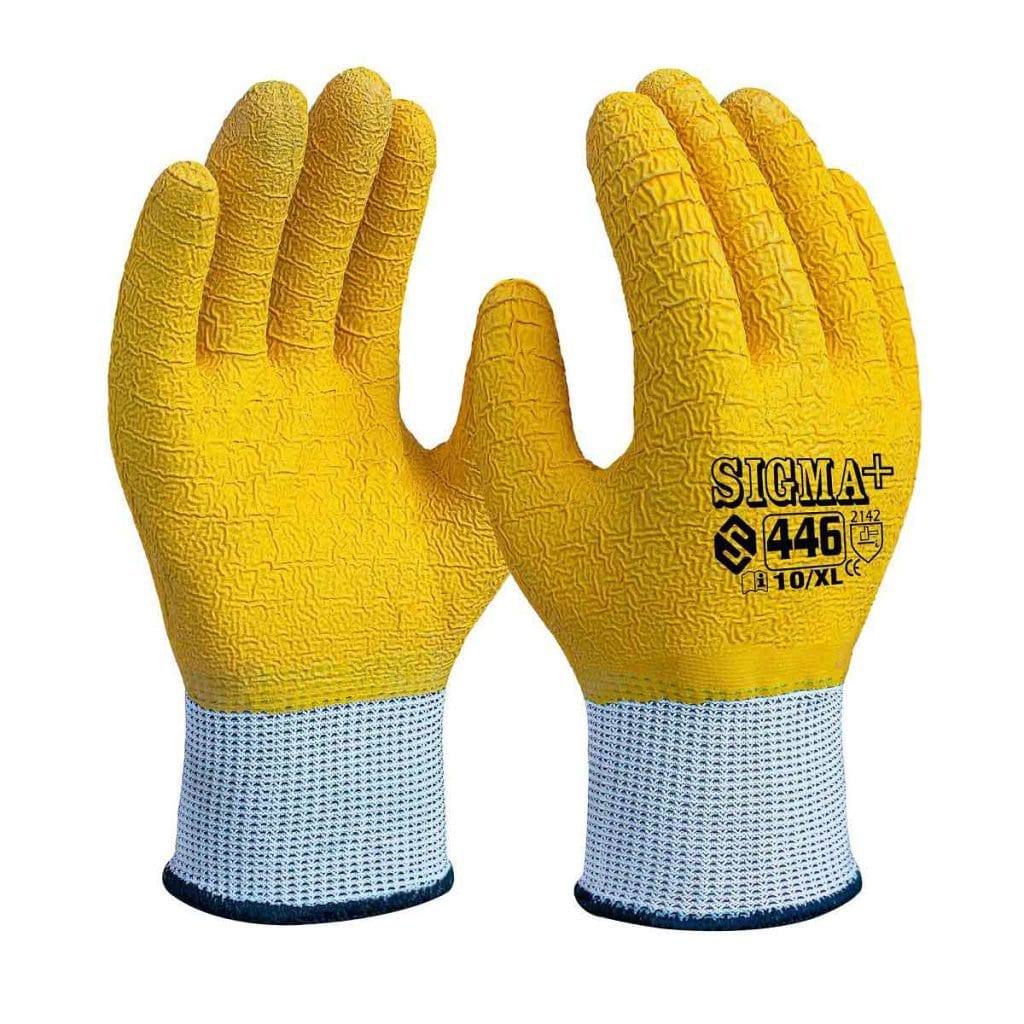
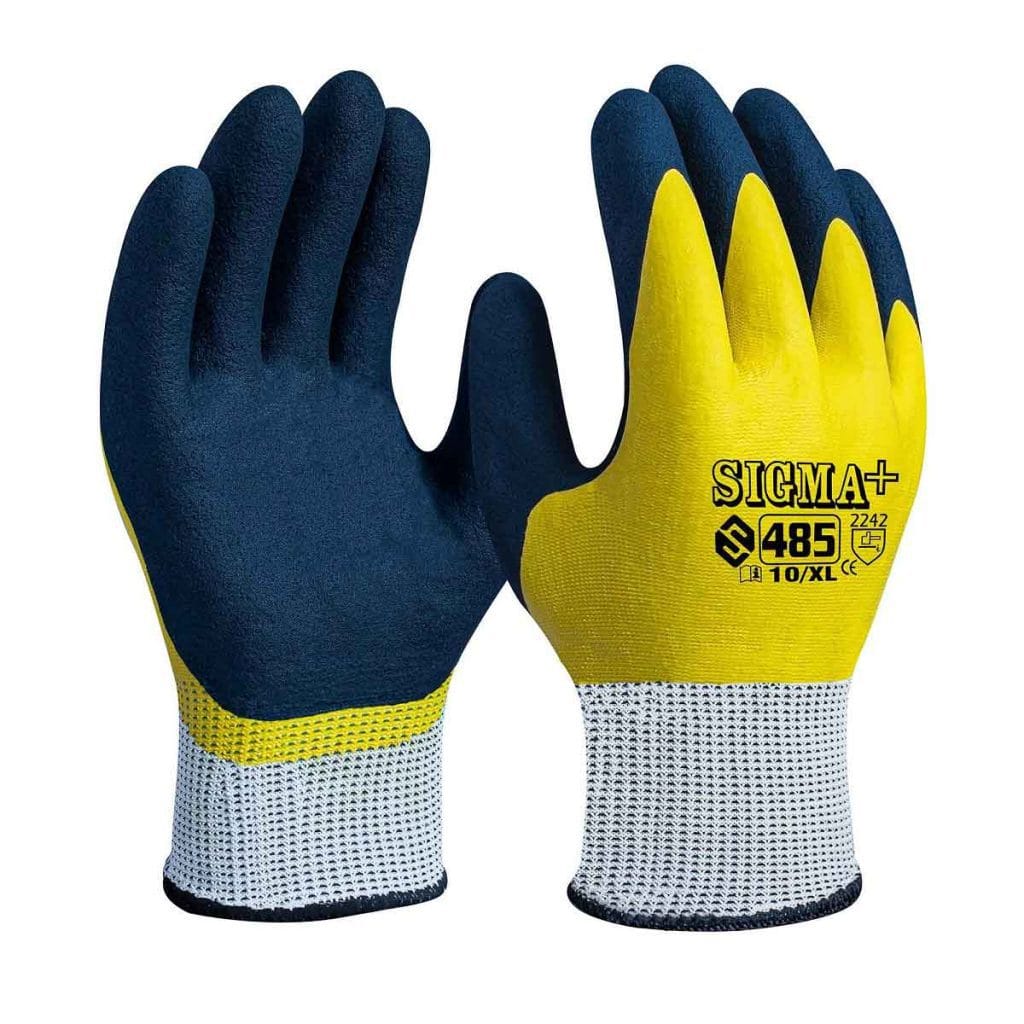
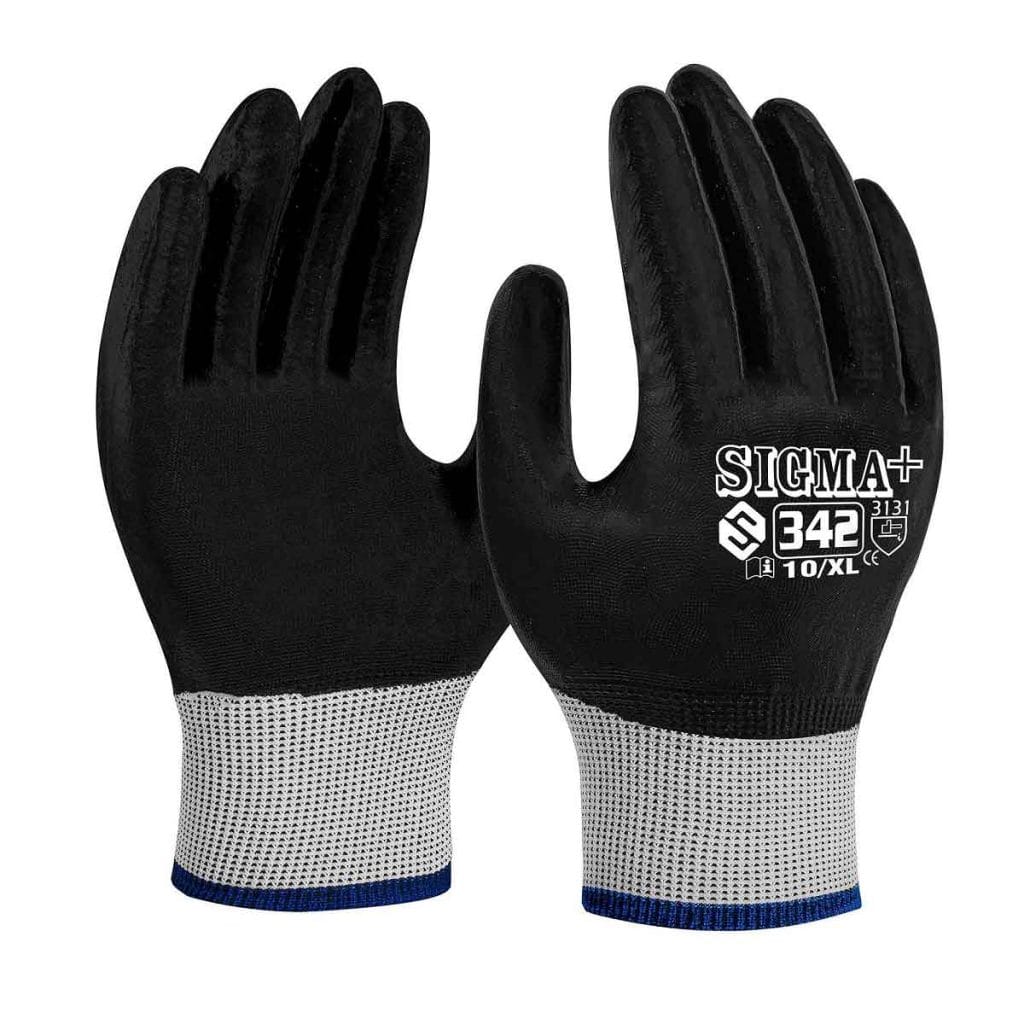
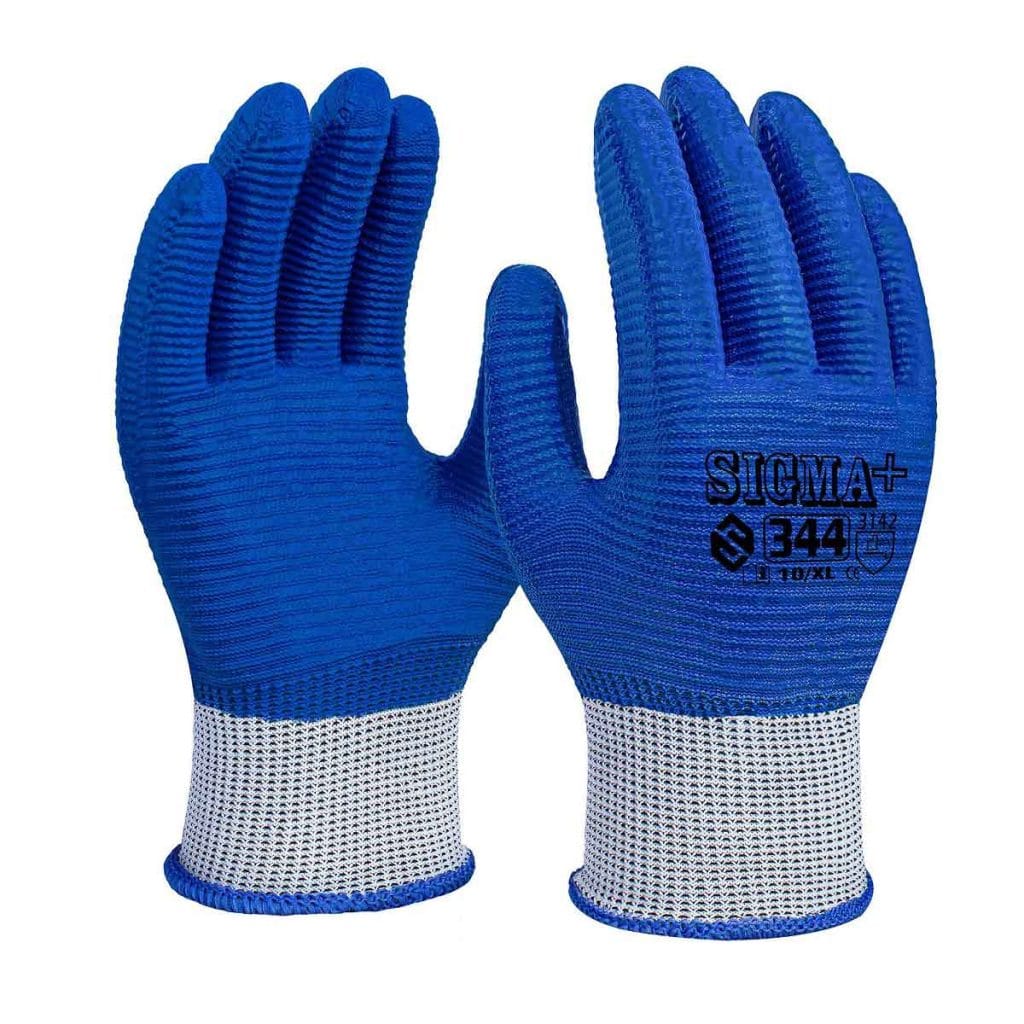
Safety is one of the core principles in workshops, factories, and construction sites.
It is clear that neglecting this essential principle can lead to irreparable human and financial losses. Various types of work gloves are used to protect workers’ hands in industrial and other environments.
Work gloves are among the most important protective equipment for safeguarding hands when using tools across different fields such as welding, wood and metal cutting, gardening, masonry, and more.
Depending on their intended application, safety and industrial gloves are manufactured with different liners and coatings.
What Are Work Gloves?
Work gloves are part of Personal Protective Equipment (PPE) used in industrial environments, workshops, and when handling tools. They cover the hand from the wrist to the fingertips and protect against hazards such as cuts, abrasion, blisters, punctures, and thermal or chemical burns.
The type of work glove varies depending on workplace conditions and risks, and they may also be referred to as safety gloves or industrial gloves. Work gloves can be made from materials such as fabric, leather, wool, latex, rubber, nitrile, vinyl, neoprene, or even metal.
Using appropriate gloves increases comfort and protects hands from extreme temperatures, friction, tearing, punctures, chemical and biological exposure, and infectious hazards.
Work gloves are used by a wide range of professionals including welders, builders, carpenters, farmers, gardeners, machine operators, military personnel, firefighters, medical staff, food and chemical industry workers, police officers, divers, and many others. The nature of the job and associated risks determine the type of glove required.
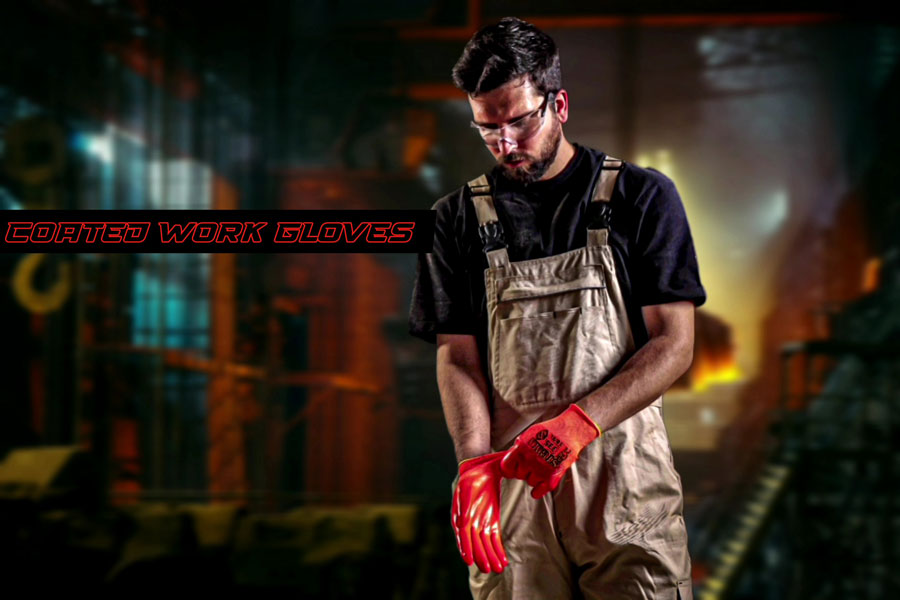
Coated Work Gloves
Coated work gloves are one of the most important protective tools in industrial and workshop environments, helping protect workers’ hands from potential injuries.
Benefits of Coated Work Gloves
Protection against cuts, punctures, abrasion, and impacts
Increased safety and reduced injury risk
Improved performance and confidence during tasks
Protection against allergens
Ability to handle tools and touch devices
Components of Coated Work Gloves
1. Glove Liner (Base Knit)
The liner is the core structure of a coated glove. Three common fiber types are:
Nylon: Highly abrasion-resistant, lightweight, excellent tactile sensitivity
Polyester: Resistant to stretching and shrinking, fast-drying
HPPE (High-Performance Polyethylene): Very high cut resistance with low weight
Some gloves use blended fibers.
Knit Gauge
Gauge refers to the number of stitches per inch (typically 7–18).
Higher gauge provides:
Better dexterity
Greater tactile sensitivity
Improved grip precision
2. Glove Coating
Four common glove coatings:
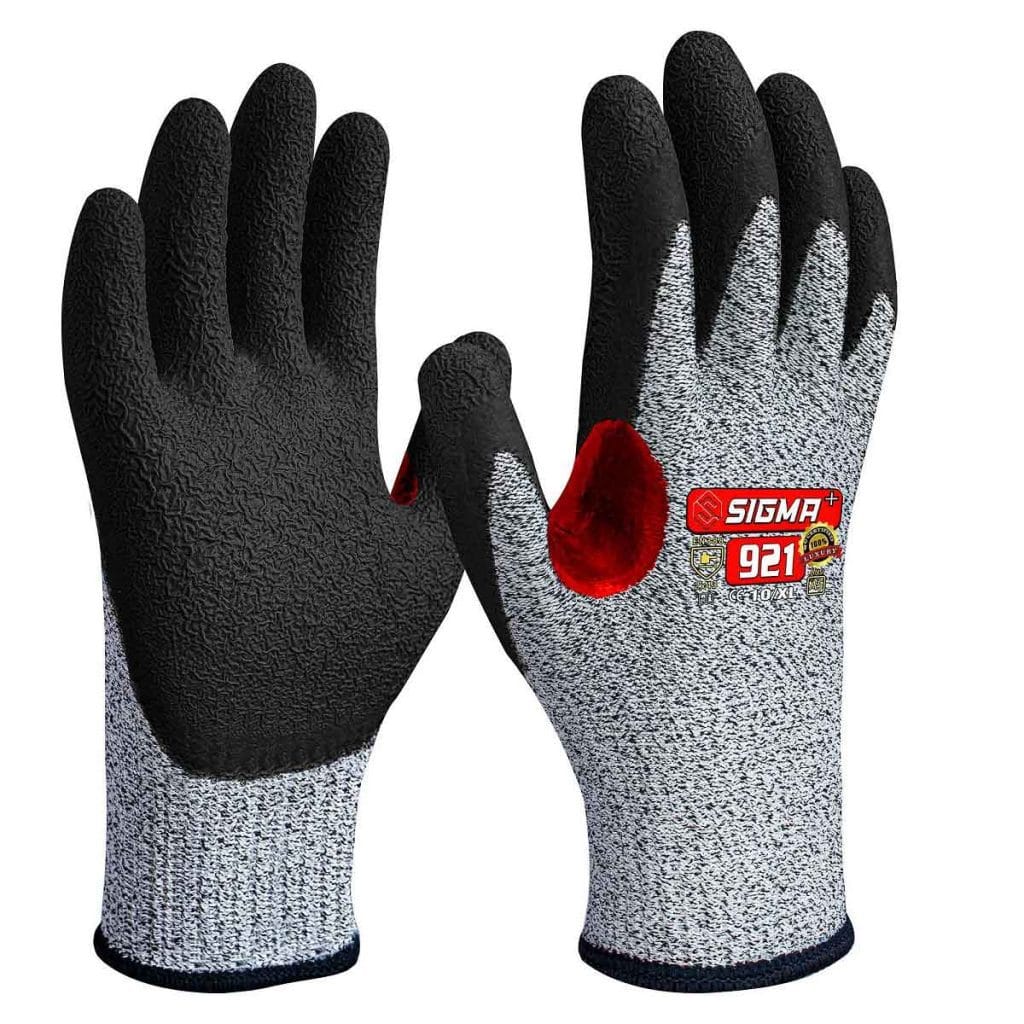
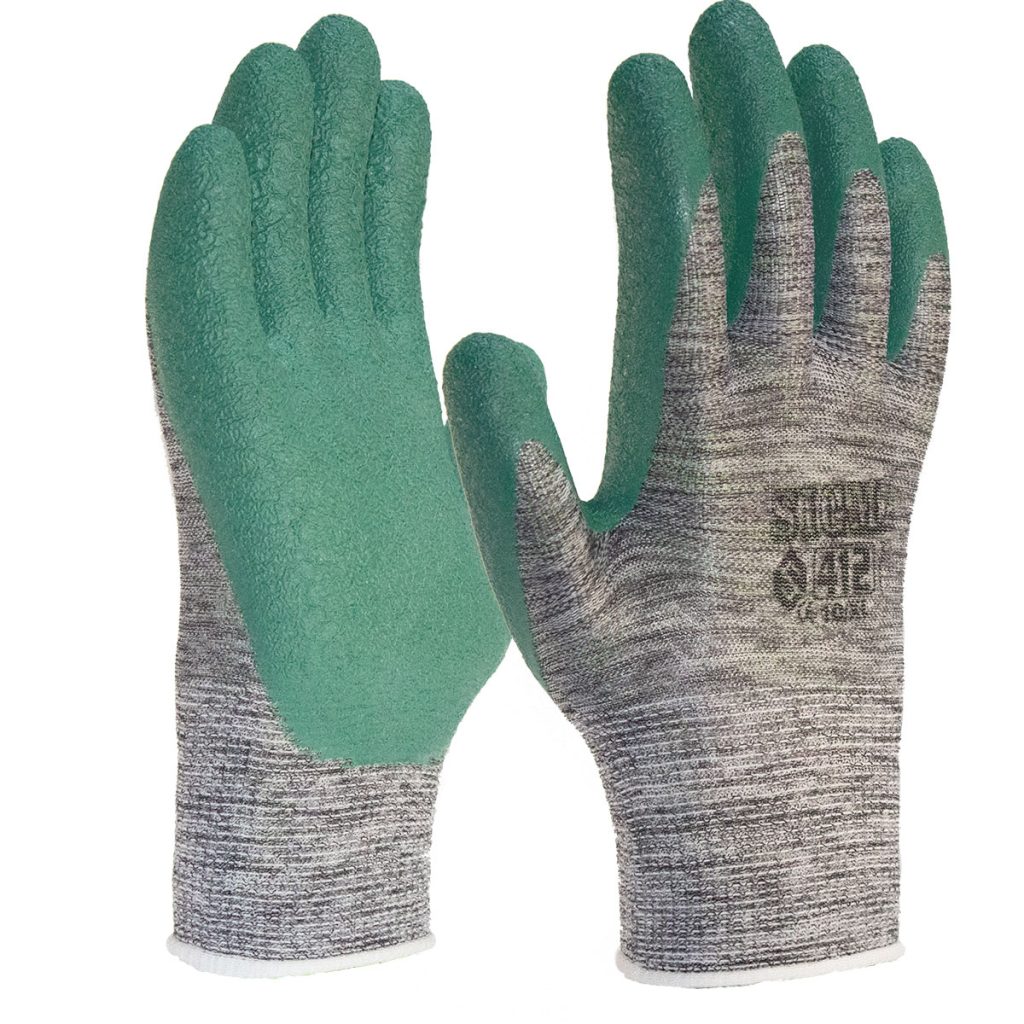
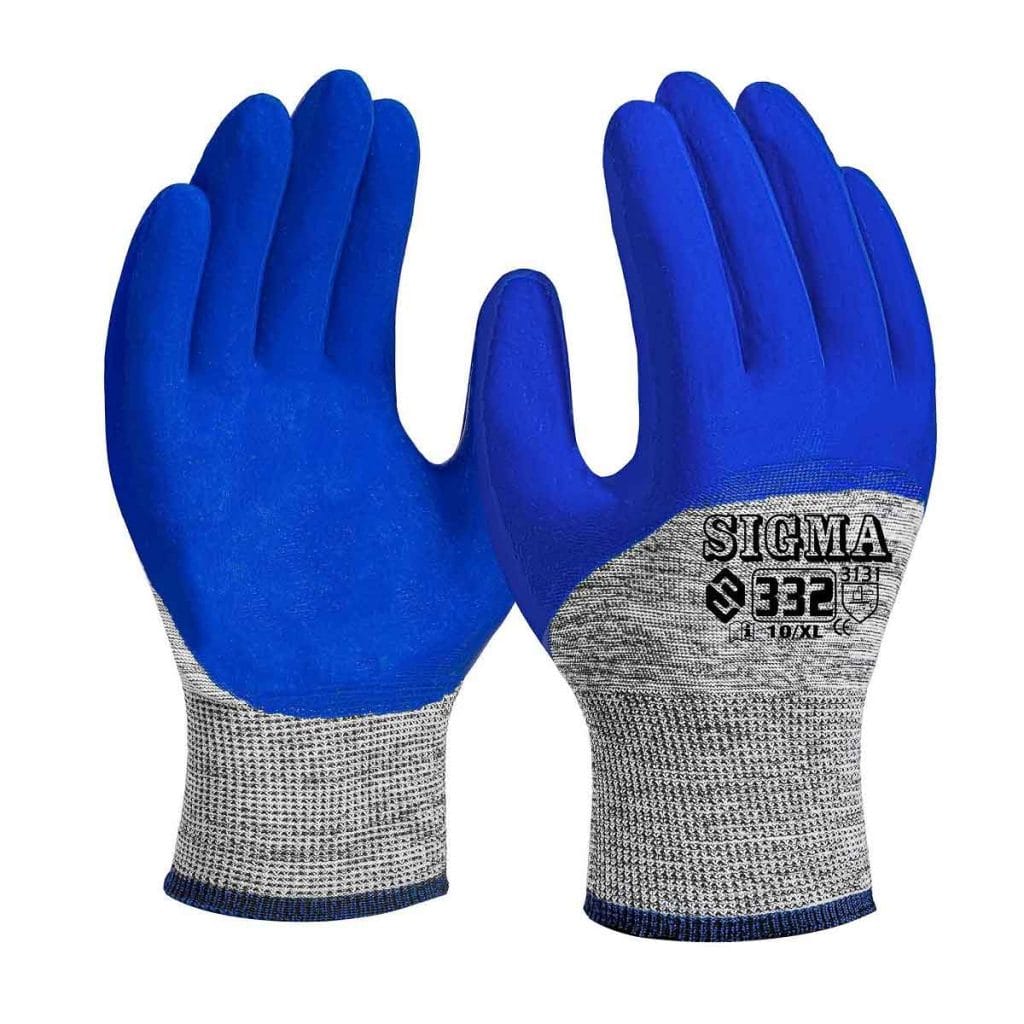
Latex
Nitrile
PVC
Polyurethane
Each offers different advantages and applications.
Latex-Coated Work Gloves
Resistant to abrasion, tearing, and cuts
Suitable for wet and dry environments
Water- and alcohol-resistant
Applications: construction, agriculture, warehousing
⚠️ Not suitable for hydrocarbons or organic solvents and for users with latex allergies.
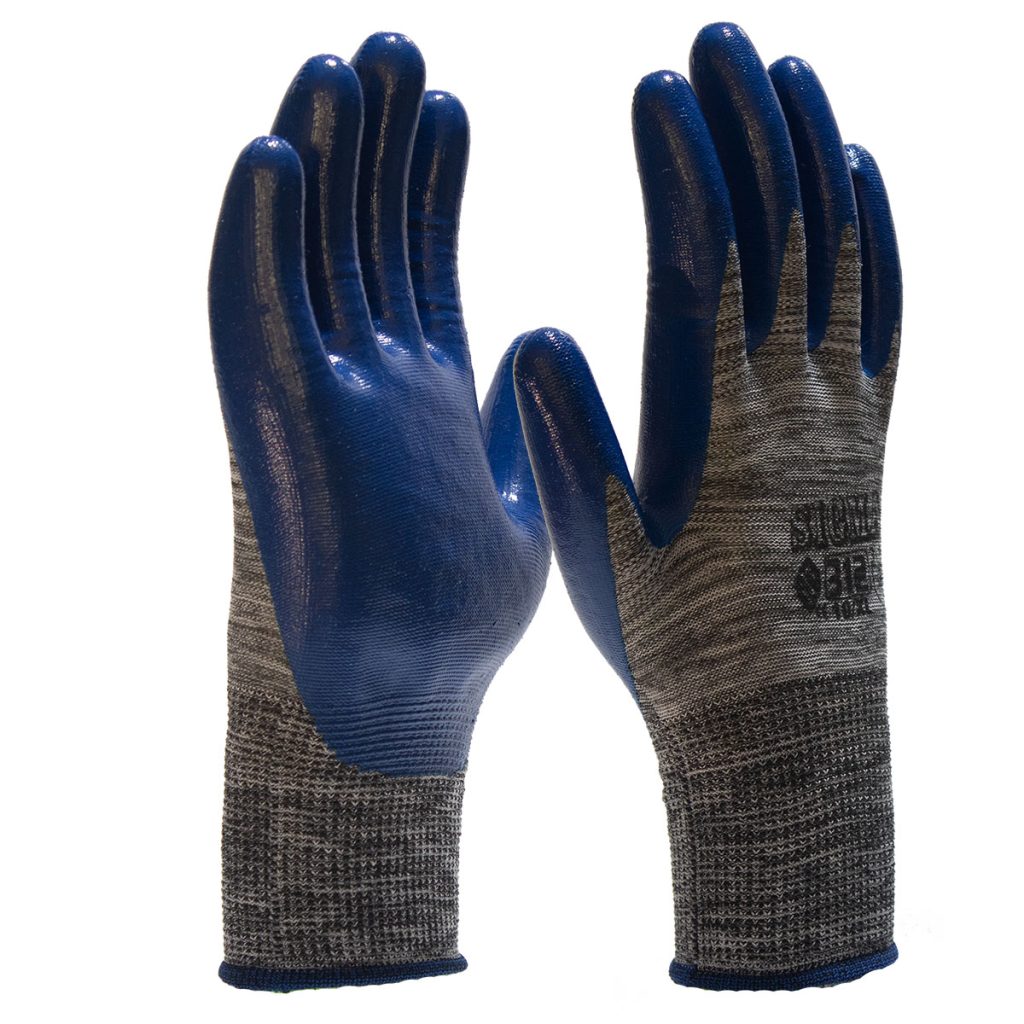
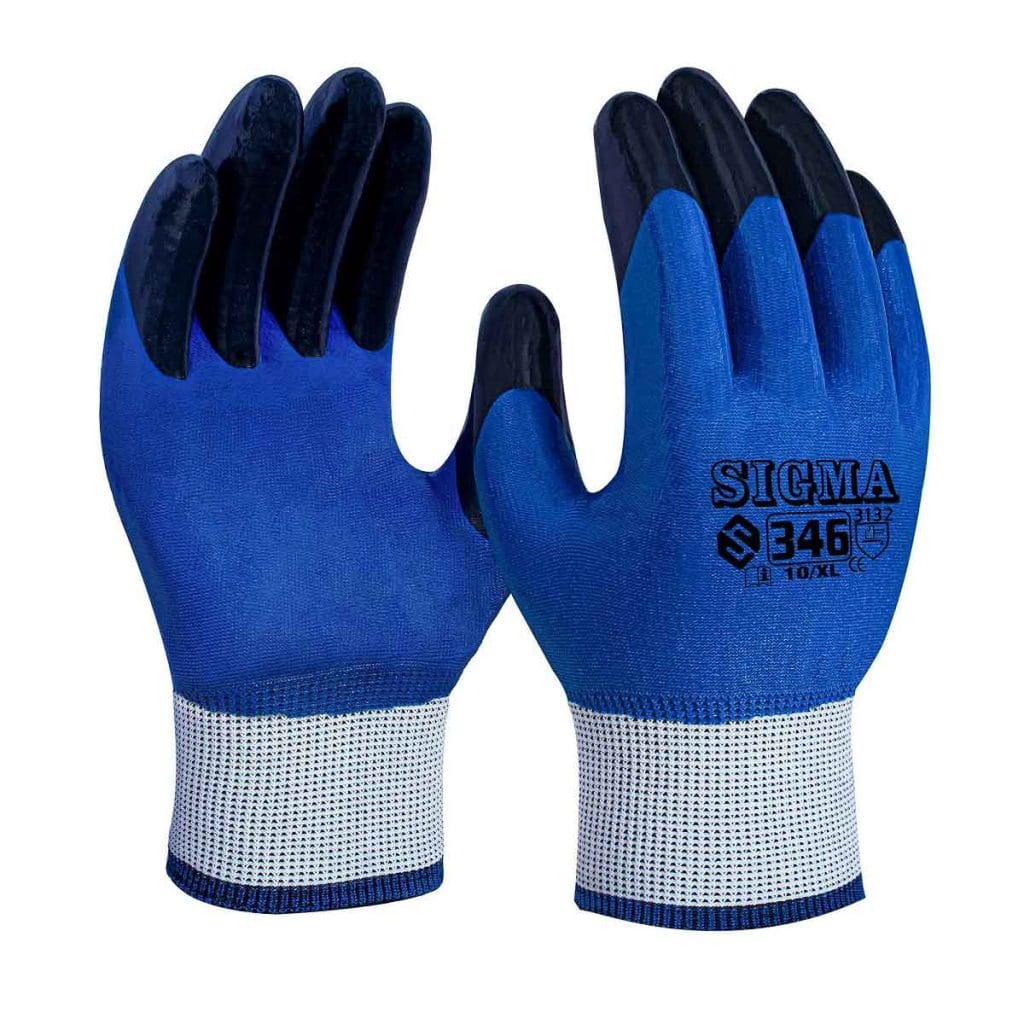
Nitrile-Coated Work Gloves
Excellent alternative to latex in oily environments
High grip performance
Very strong puncture resistance
Applications: maintenance, automotive, metal handling, oil & gas
Nitrile remains stable between approximately −40°C and 108°C, making it suitable for aerospace and laboratory applications. It has better chemical and oil resistance than natural rubber but lower tensile elasticity.
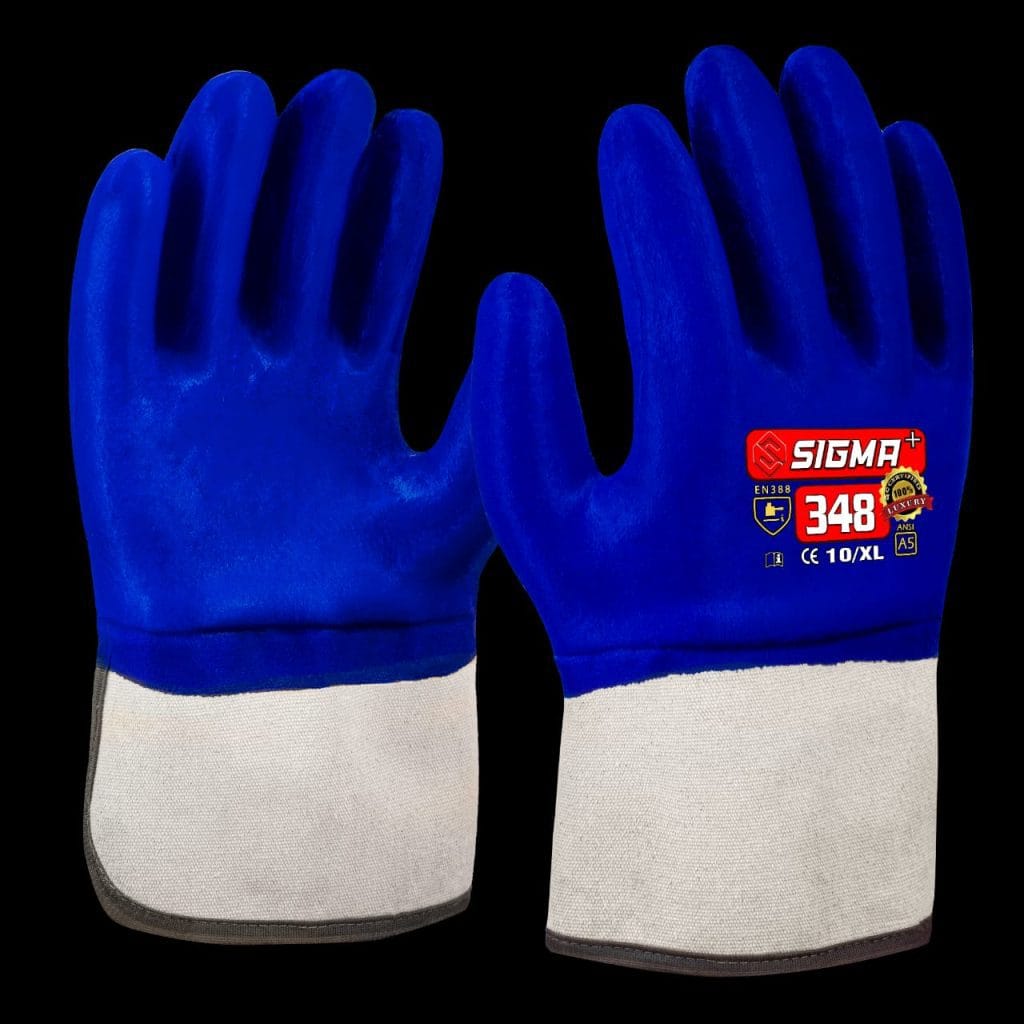
PVC-Coated Work Gloves
PVC gloves feature a polyvinyl chloride coating on the palm and/or fingers.
Features:
Increased grip and durability
Resistance to abrasion and puncture
Suitable for paint, chemical, oil & gas, automotive, and agriculture industries
Coating types:
4/4 (fully coated) → maximum protection
1/2 or 1/4 → greater flexibility and dexterity
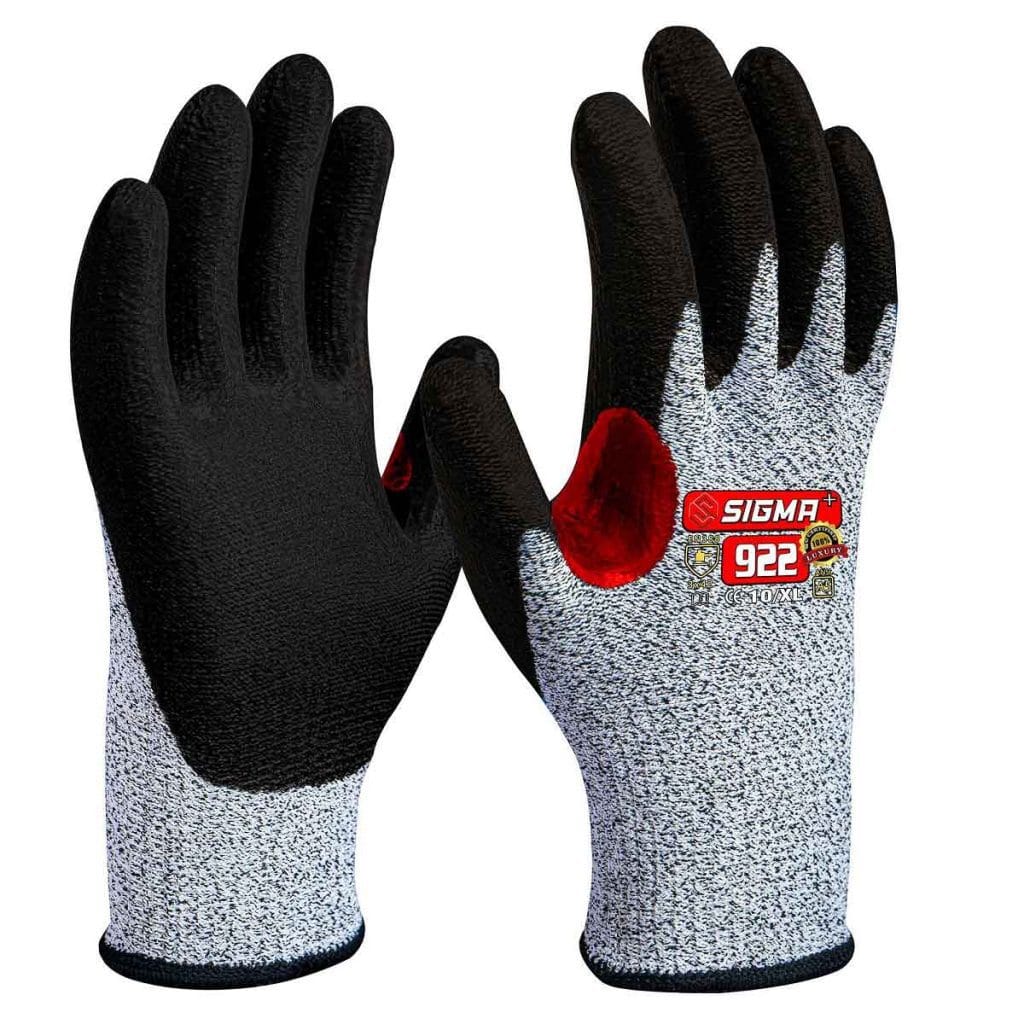
Polyurethane (PU) Work Gloves
Fine, lightweight knit
High tactile sensitivity and dexterity
Good grip without stickiness
Good abrasion resistance
Applications: small-parts assembly, electronics, glass handling, painting, cleaning
⚠️ Not recommended for temperatures above 79°C (175°F).
Guide to Buying Safety Work Gloves
Choosing the right gloves is essential for hand safety.
Key Factors When Purchasing
Glove type: matched to hazards (chemical, cut, heat, etc.)
Correct size: snug, proper fit
Resistance level: cut, puncture, chemical, impact
Inner/outer coating: sweat absorption and anti-slip
Application: specific work environment
Standards compliance: e.g., EN388, EN374
Quality vs. price: never compromise safety for cost