
SAFETY GLOVES
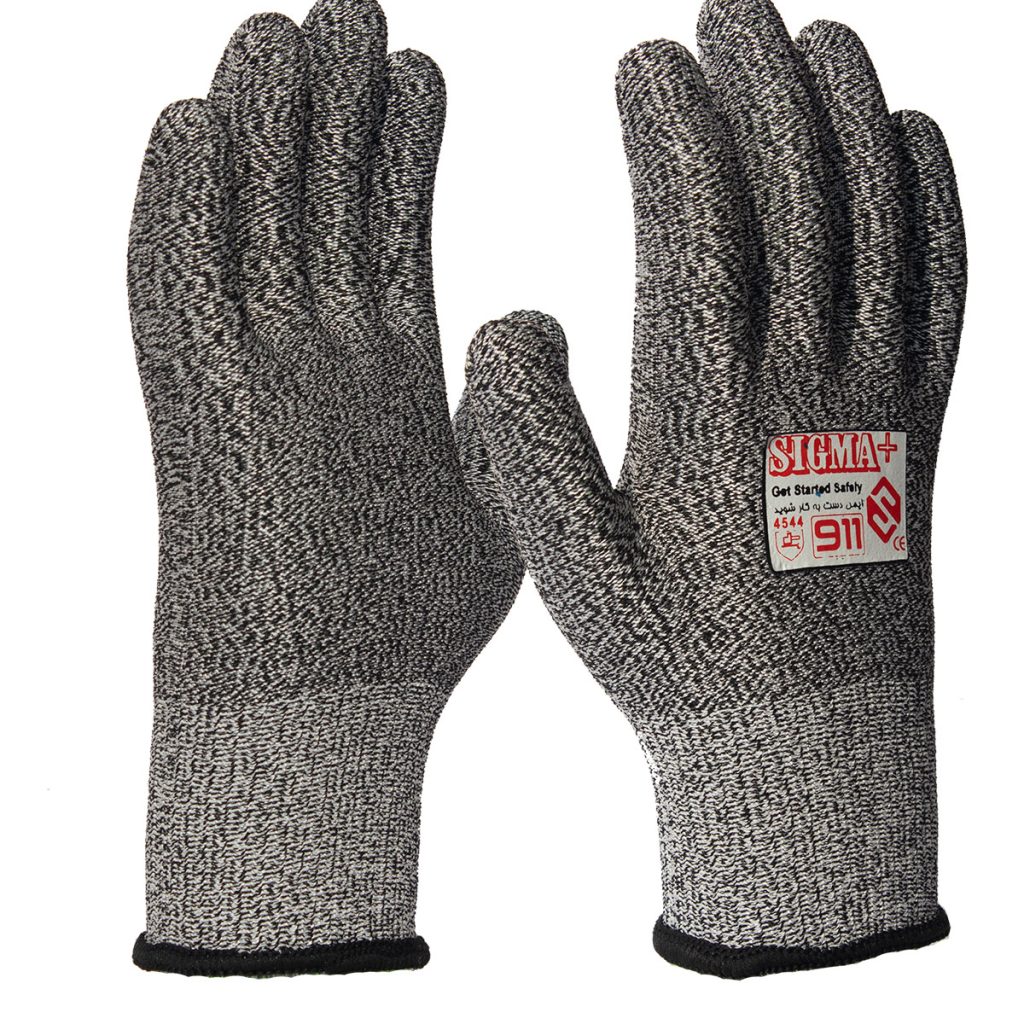
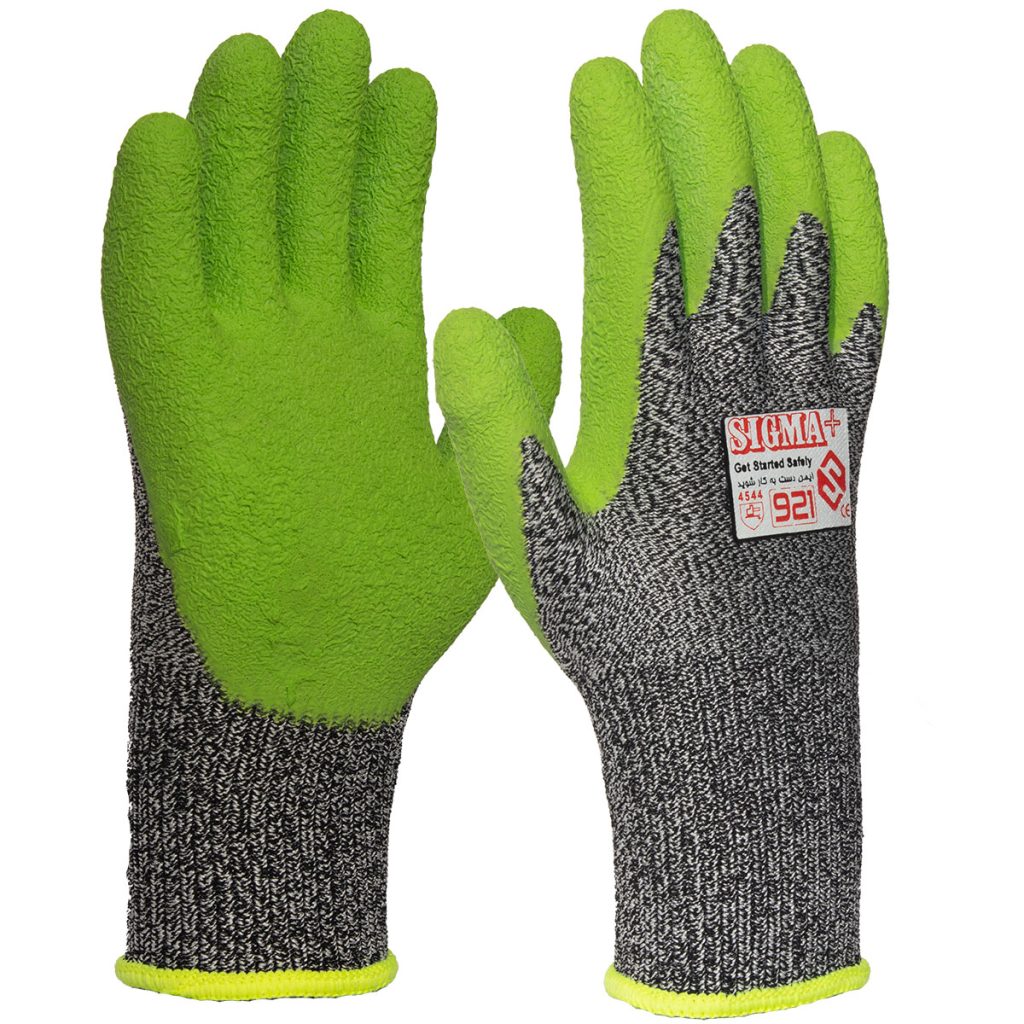
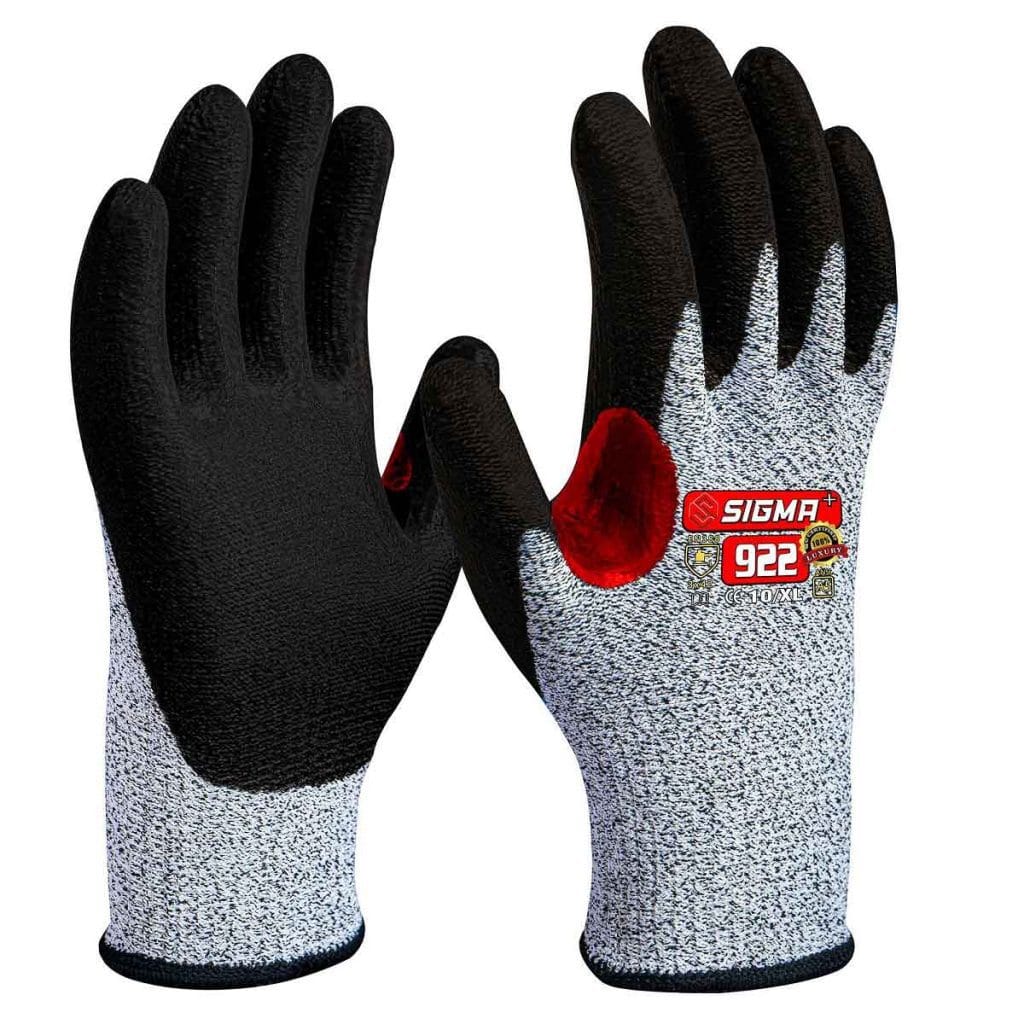
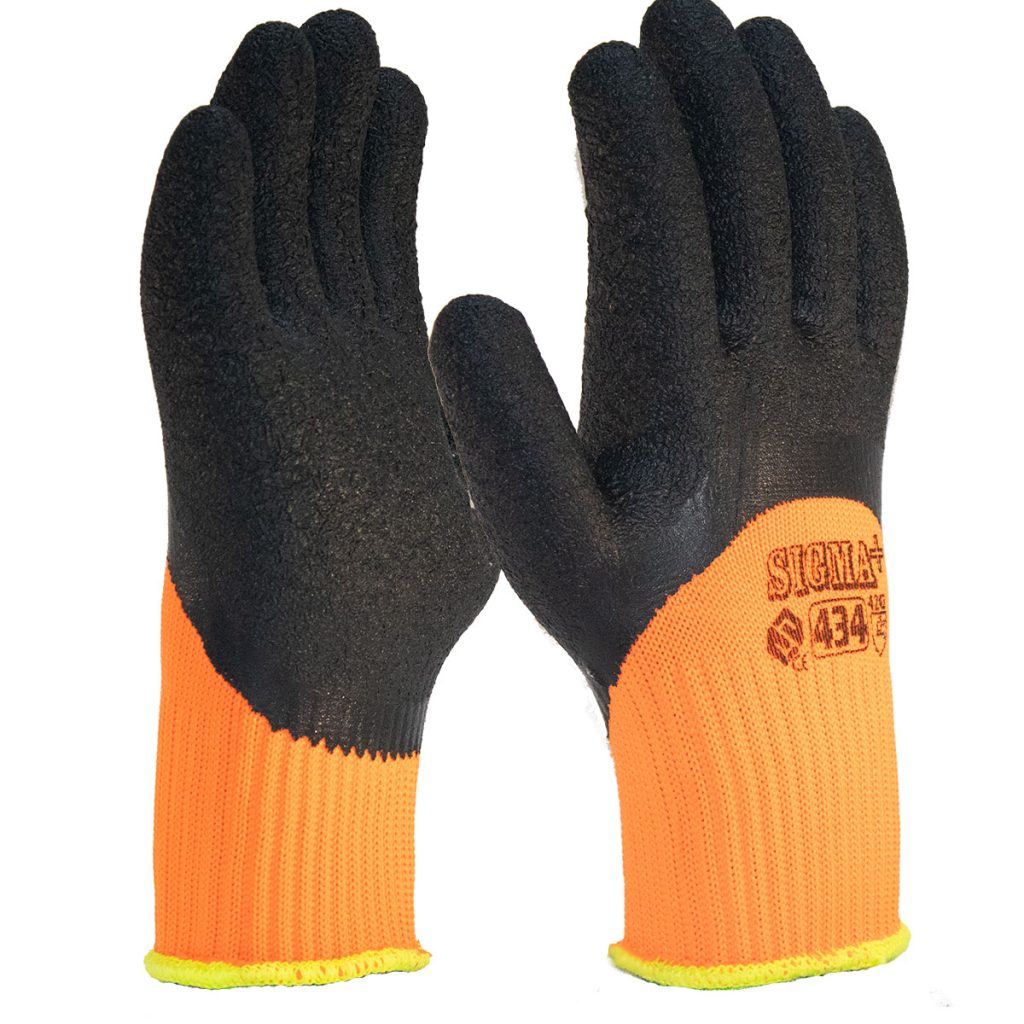
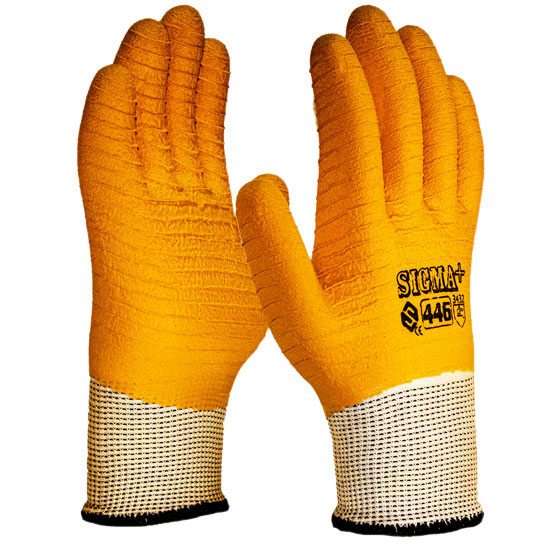
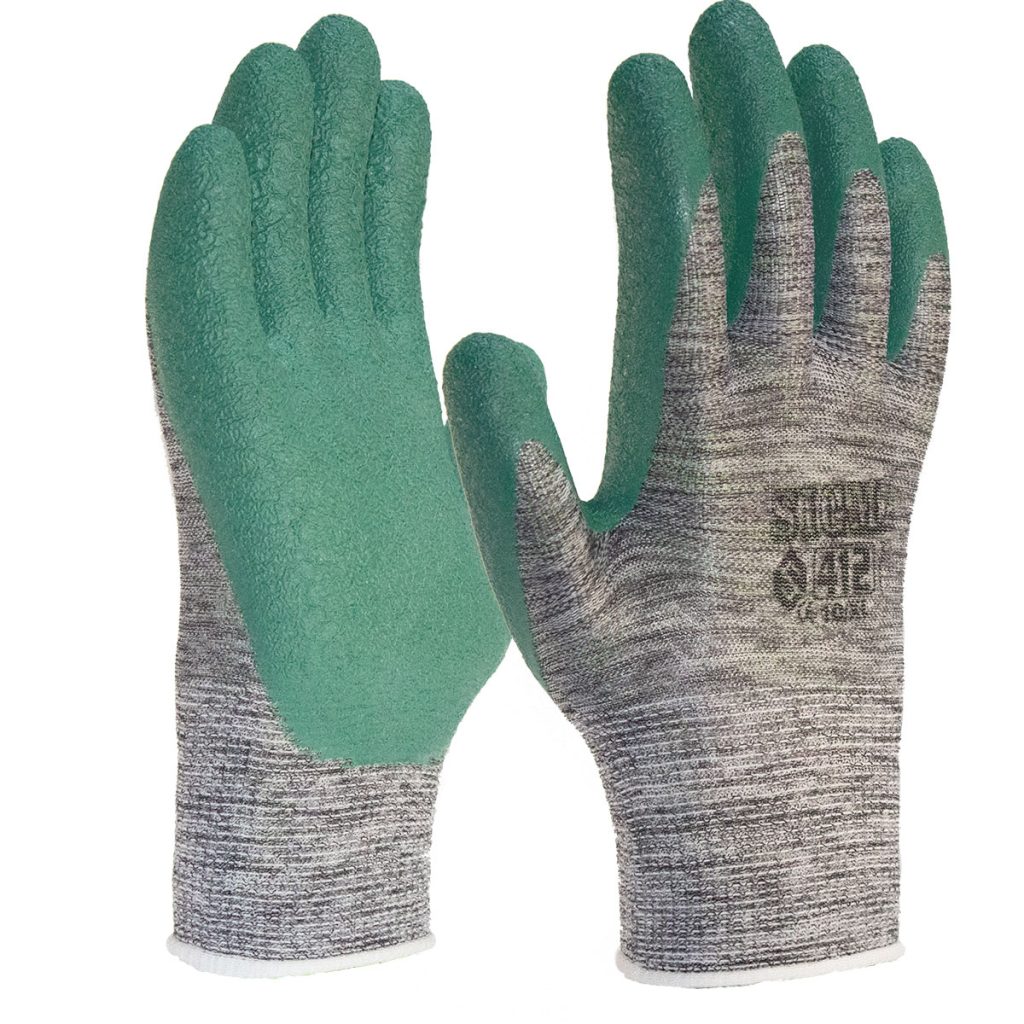
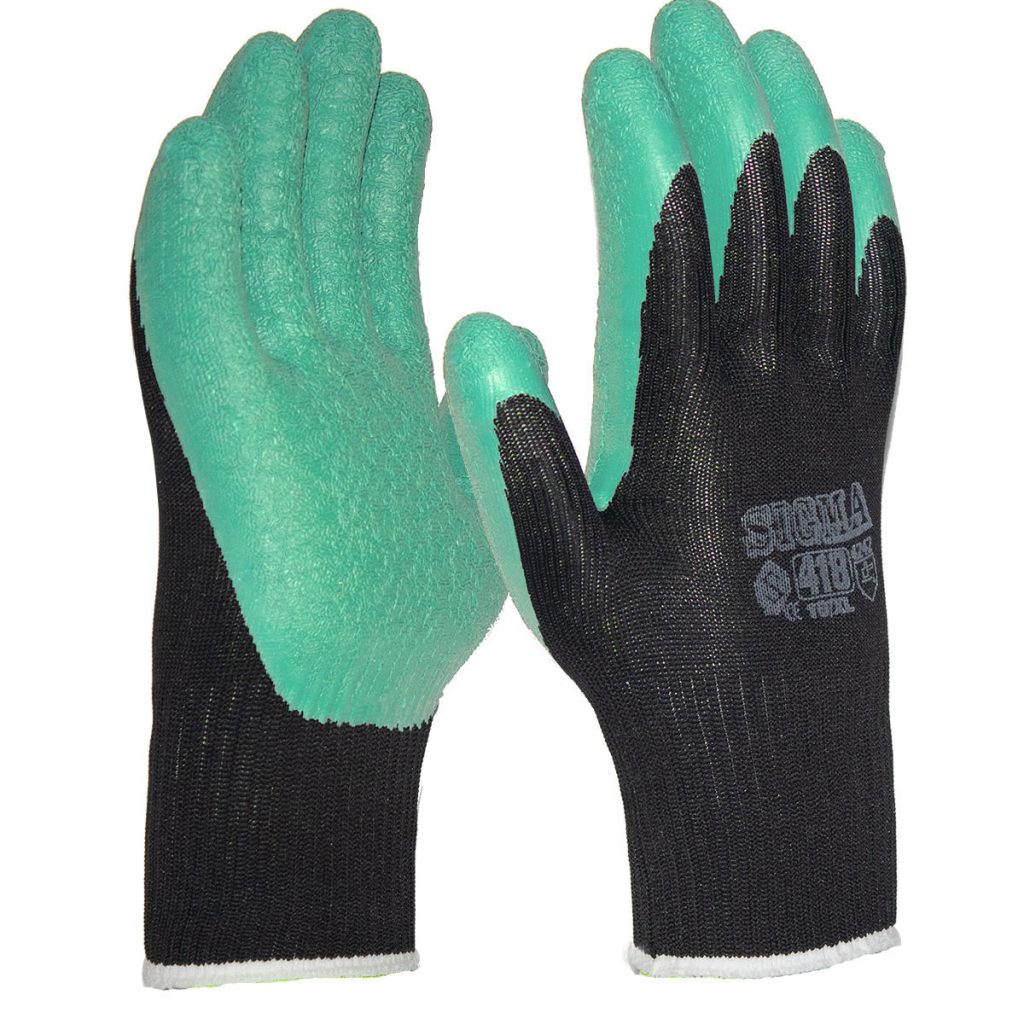
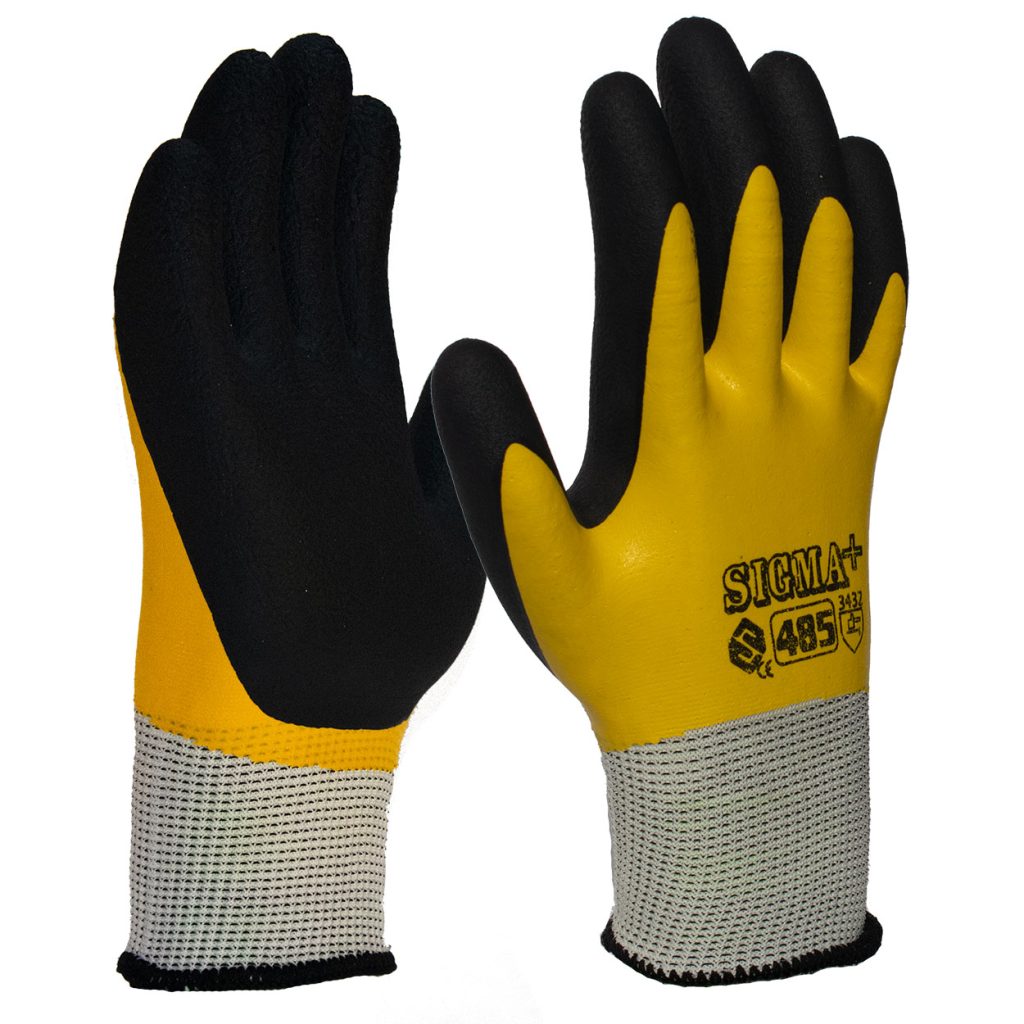
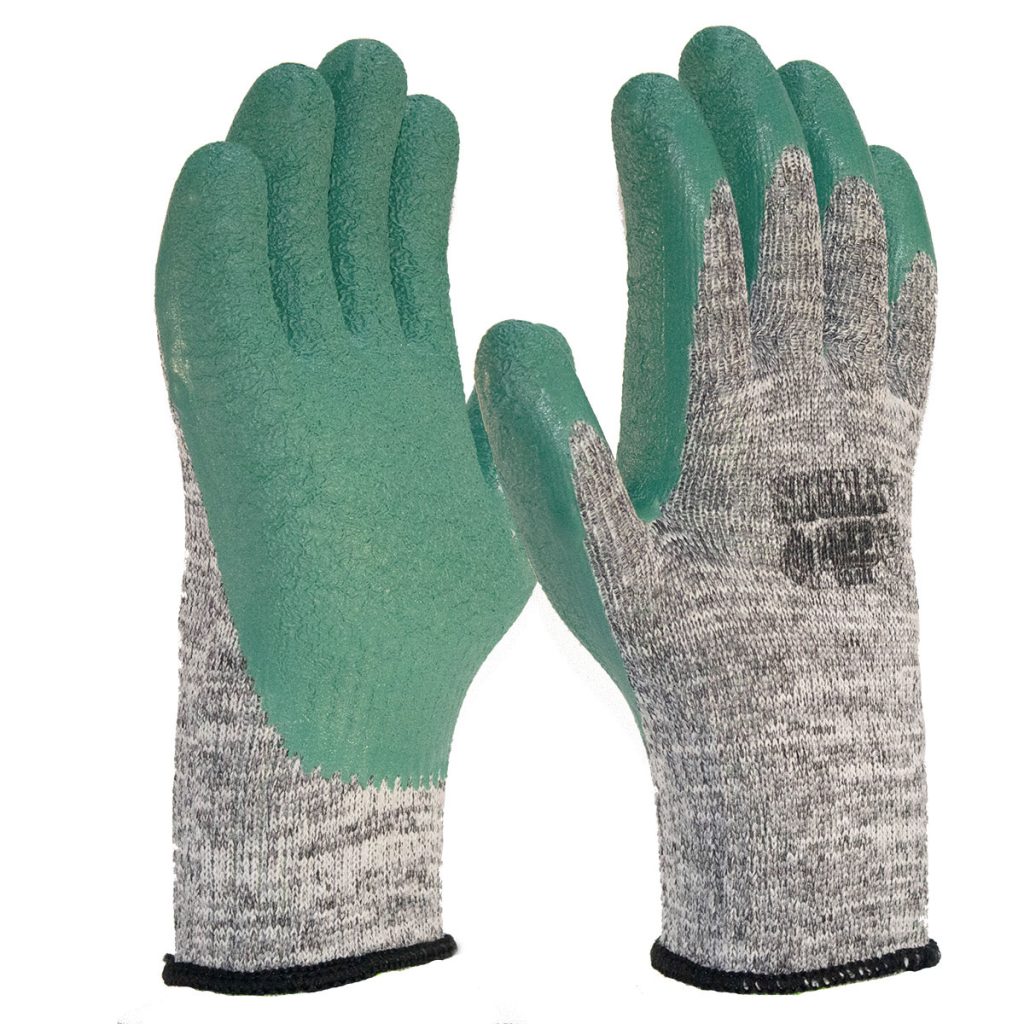
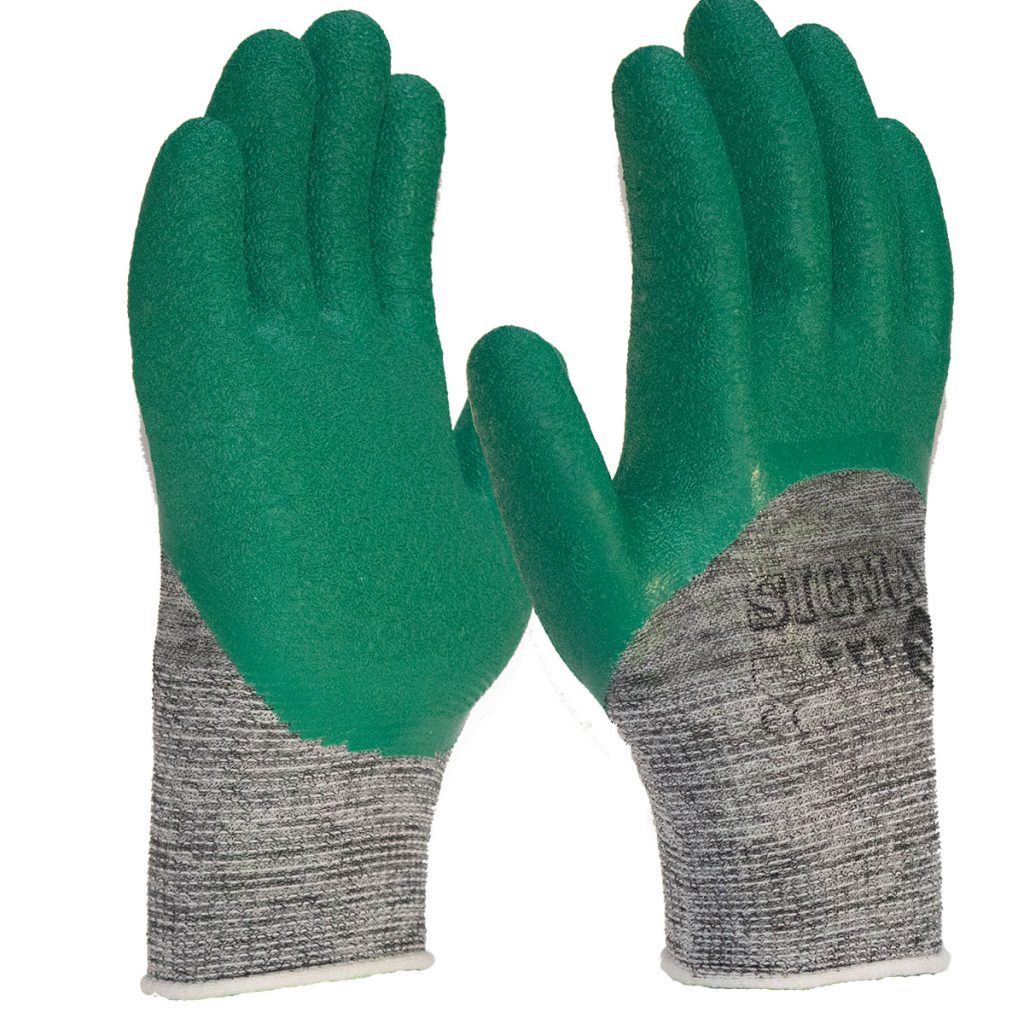
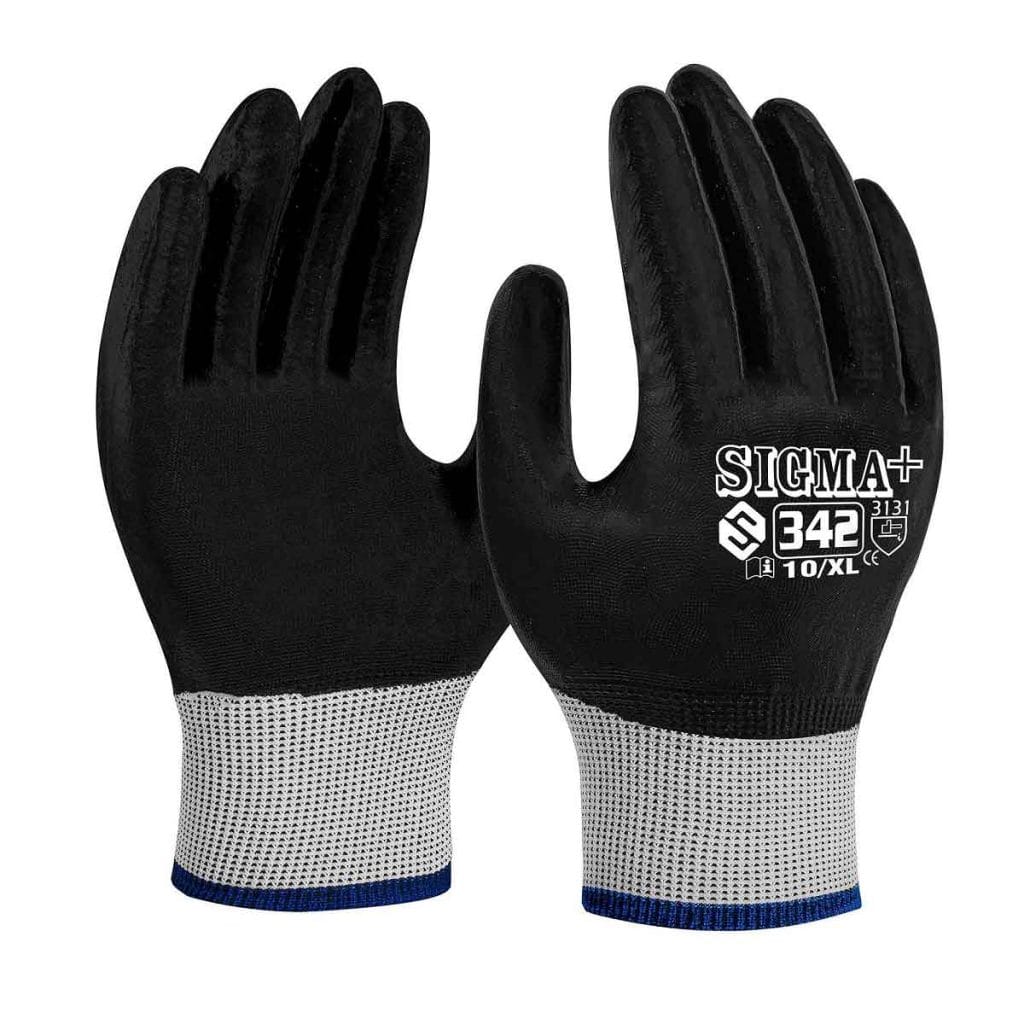
Safety gloves are more than just simple protective gear. These products act as a shield for workers against numerous workplace hazards. Therefore, safety glove manufacturers play a vital role in protecting industrial workers.
Safety gloves are used to protect hands from various risks such as cuts, impacts, burns, chemicals, and more. They are widely used across industries, workshops, laboratories, and even sports activities. These gloves are made from different materials and designs to meet the specific needs of each user

Why Are Safety Gloves Essential?
Across various industries—from agriculture to manufacturing and engineering—safety gloves prevent hand injuries and protect workers from chemicals, heat, and electrical hazards. In addition, in certain environments such as hospitals and clinics, safety gloves can reduce the risk of disease transmission and infections.
Different Types of Safety Gloves
Safety gloves are available in a wide range of types, each with specific properties. Some common types include:
Nitrile gloves:
These gloves are resistant to solvents, oils, and chemicals and are widely used in chemical and medical industries.
Latex gloves:
They provide excellent flexibility, sensitivity, and fit. However, some individuals may have latex allergies.
Leather gloves:
Commonly used for tasks requiring protection against abrasion, cuts, or wear, such as construction work.
Heat-resistant gloves:
Designed for high-temperature environments, such as welding operations.
View other safety gloves
Choosing the Right Safety Gloves
Selecting the proper safety gloves for a specific task is highly important. Workers should choose gloves based on workplace hazards. Proper size and flexibility are also essential for comfort and efficiency.
What Features Should the Best Safety Work Gloves Have?
The best safety work gloves should have the following characteristics:
Mechanical resistance:
Gloves should be made from materials resistant to abrasion, tearing, and cutting to protect hands from mechanical hazards.
Chemical resistance:
Depending on the work environment, gloves should resist chemicals such as acids, bases, solvents, and other hazardous substances.
Electrical insulation:
If working around electricity, gloves should provide electrical insulation to prevent electric shock.
Flexibility and comfort:
Gloves should be flexible and comfortable, allowing easy movement—especially important for prolonged use.
Proper fit and size:
Gloves must fit the user’s hand correctly. Oversized or undersized gloves reduce safety and performance.
Grip (anti-slip surface):
Gloves should provide good grip to help users control tools and materials and prevent slips and accidents.
Resistance to heat and cold:
Gloves should offer adequate protection in both high- and low-temperature environments.
Washability and hygiene:
Gloves should be washable and easy to clean to maintain hygiene and user health.