
Tilling Gloves
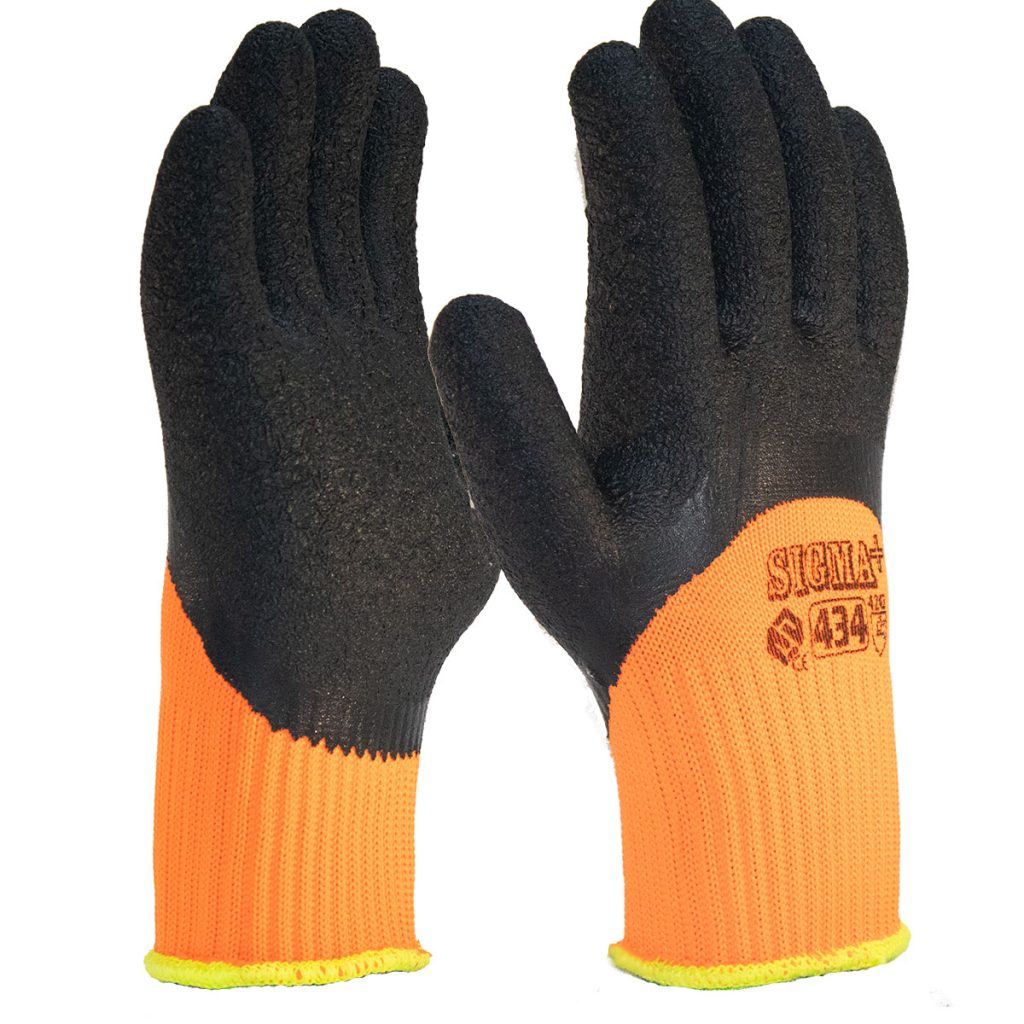
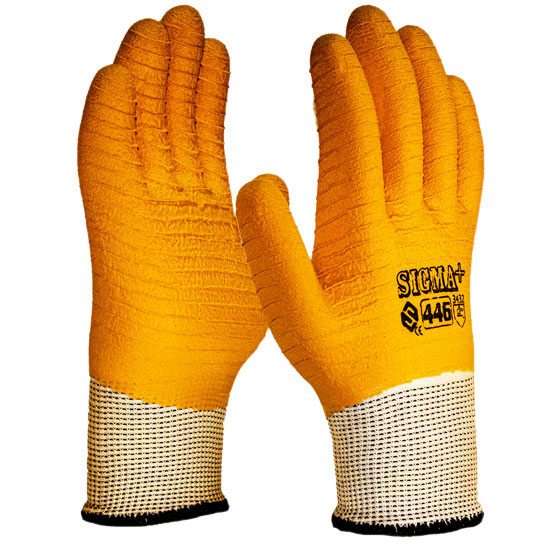
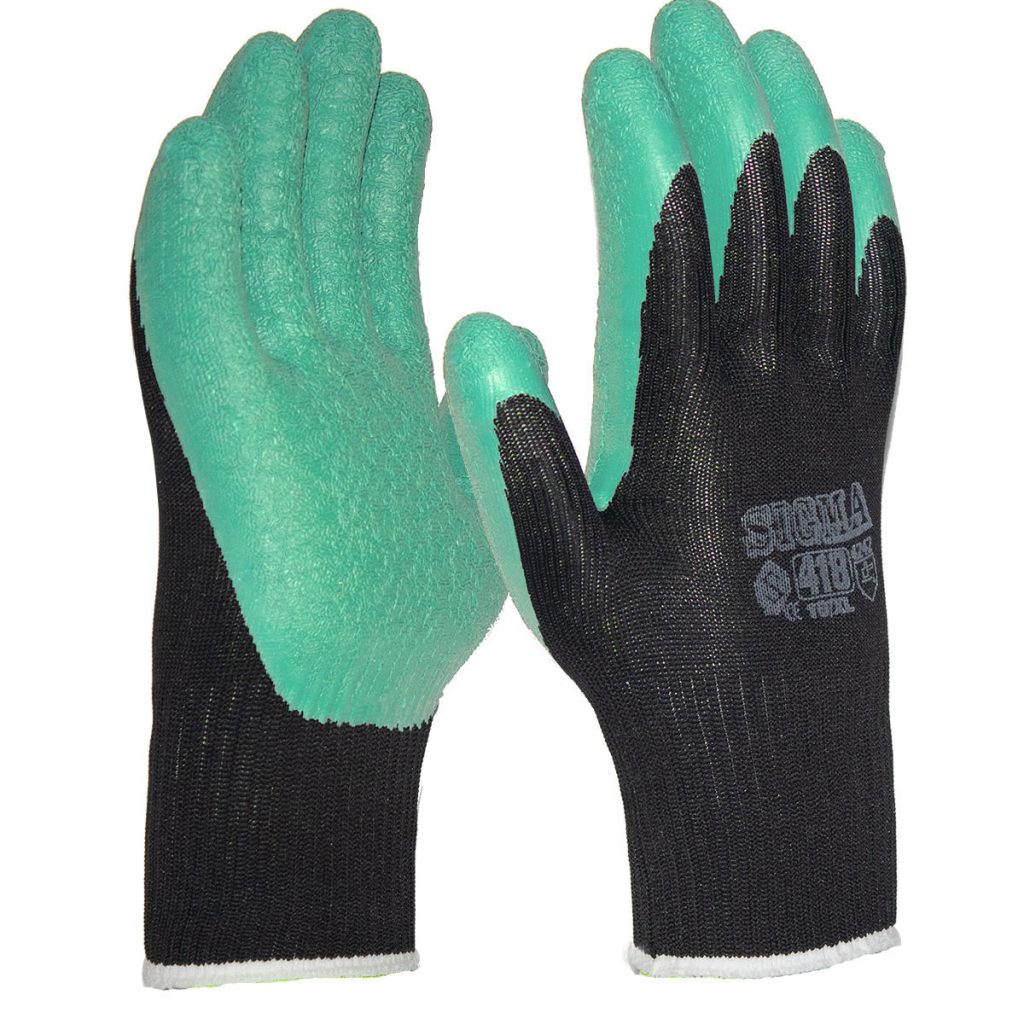
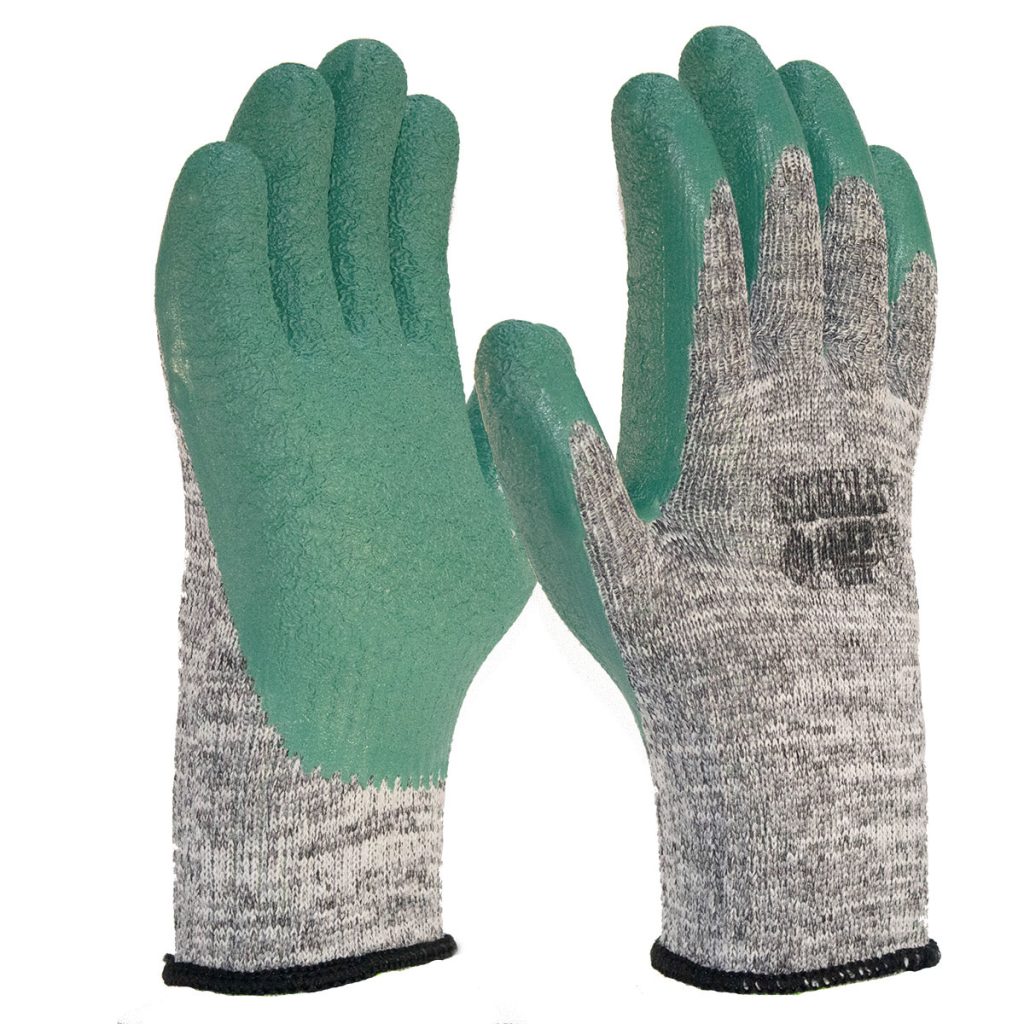
Cut-Resistant Gloves for Tiling and Ceramic Work
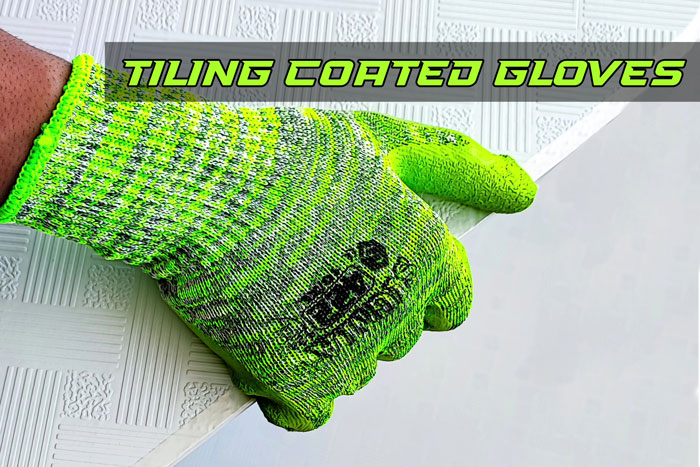
Safety work gloves are extremely important for tiling and ceramic work.
These gloves protect workers from various hazards present in this industry. Below are key considerations when selecting suitable safety gloves for tiling and ceramic applications:
1. Cut and abrasion resistance:
Safety gloves should be made from materials resistant to cuts and abrasion. Some gloves are reinforced with blends of polyethylene, nylon, or other fibers that provide excellent cut and scratch resistance.
2. Strong grip:
Gloves should provide a firm grip so workers can safely handle and carry tiles and ceramic pieces. Many gloves are coated with latex or other polymers on the palm and fingers to enhance grip and safety.
3. Comfort and flexibility:
Gloves must be comfortable and flexible to allow free movement and efficient work. Soft, breathable constructions enable workers to wear them comfortably throughout the workday.
4. Chemical resistance:
Some materials used in tiling and ceramic work can be corrosive or harmful to skin. Therefore, gloves should be made from materials that offer good resistance to these chemicals.
5. Multiple sizes and proper fit:
Safety gloves should be available in various sizes to ensure proper fit. Gloves that secure well around the wrist provide greater safety and comfort for workers.
Additional consideration:
Safety gloves should be washable so they can be kept clean and maintain a longer service life.
Conclusion:
Selecting the right safety work gloves for tiling and ceramic applications depends on the specific needs of workers and the work environment. Before purchasing gloves, it is advisable to consult with workers and consider their feedback to ensure the most suitable choice.
Tips for Buying the Right Safety Gloves for Tiling Work
Some of the uses of safety gloves in tiling work include:
Protection against cuts: When working with tools and materials that have sharp edges, safety gloves can prevent cuts to the hands.
Protection against abrasions: During tiling, handling and moving tiles and hard materials can cause scratches on the hands. Safety gloves protect the hands from abrasions and prevent damage to the skin.
Protection against chemicals: In tiling work, chemicals such as adhesives, paints, and cleaning agents are often used. Safety gloves protect the hands and reduce the risk of injury caused by contact with these substances.
Protection against irritation and skin sensitivity: Some people may be sensitive to materials used in tiling. Safety gloves help prevent direct contact with these substances and protect the skin of the hands.
Improved grip and control: By wearing safety gloves, hands remain drier and less slippery. This provides better control when handling tiling tools and materials.
Overall, using safety gloves in tiling work helps protect your hands from cuts, abrasions, chemical damage, and other hazards, allowing you to work with greater comfort and confidence. Therefore, using safety gloves in tiling is essential and vital.
Materials and Design of Safety Gloves
The materials used in safety gloves can include latex, nitrile, vinyl, and polyethylene. Each of these materials has its own specific characteristics. For example, latex gloves are highly flexible, nitrile and vinyl gloves offer better resistance to chemicals, and polyethylene gloves are suitable for tasks that require protection against water.
The design of safety gloves can also vary. Some gloves feature special textures or patterns that help increase grip and provide better control, while others are designed to enhance flexibility and user comfort. Additionally, some gloves are powdered, which makes them easier to put on. However, some individuals may be sensitive to the powder, so they should use powder-free gloves instead.
In general, when selecting the right safety gloves, you should consider the materials, design, and specific features they offer. Depending on the type of work you are performing, you may need gloves with particular properties. For example, for tasks that require resistance to chemicals, you should choose gloves that provide this protection.
Moreover, glove size is very important, and you should select gloves that fit your hands properly. If you are using disposable gloves for tasks such as tile work, you should choose gloves that can be discarded easily without difficulty.
Finally, price is also a factor to consider when choosing safety gloves. However, keep in mind that selecting low-quality gloves may harm your hands instead of protecting them. Therefore, to choose the appropriate safety gloves, it is best to consider the material, design, specific features, and price, and select gloves that are suitable for the specific type of work you perform.
Lorem ipsum dolor sit amet, consectetur adipiscing elit. Ut elit tellus, luctus nec ullamcorper mattis, pulvinar dapibus leo.
Tile and Ceramic Gloves Buying Guide
Tile gloves are one of the most important safety tools for professional tilers and ceramic installers. Using the right tile gloves protects hands from cuts, abrasion, moisture, and chemicals, while also improving the quality of work. If you are involved in construction or renovation projects, choosing durable and comfortable ceramic gloves plays a key role in the speed and precision of your work.
Many people pay close attention to the price of tile gloves, but in addition to cost, the quality of materials, flexibility, and durability are equally important. On this page, you can purchase high-quality tile gloves, allowing you to confidently select a product that meets your professional needs.
These ceramic gloves are designed for heavy-duty tiling work and are an ideal choice for long-term use. If you are looking for reliable, durable, and practical gloves, this product can be a perfect option for you.