
Industrial Gloves
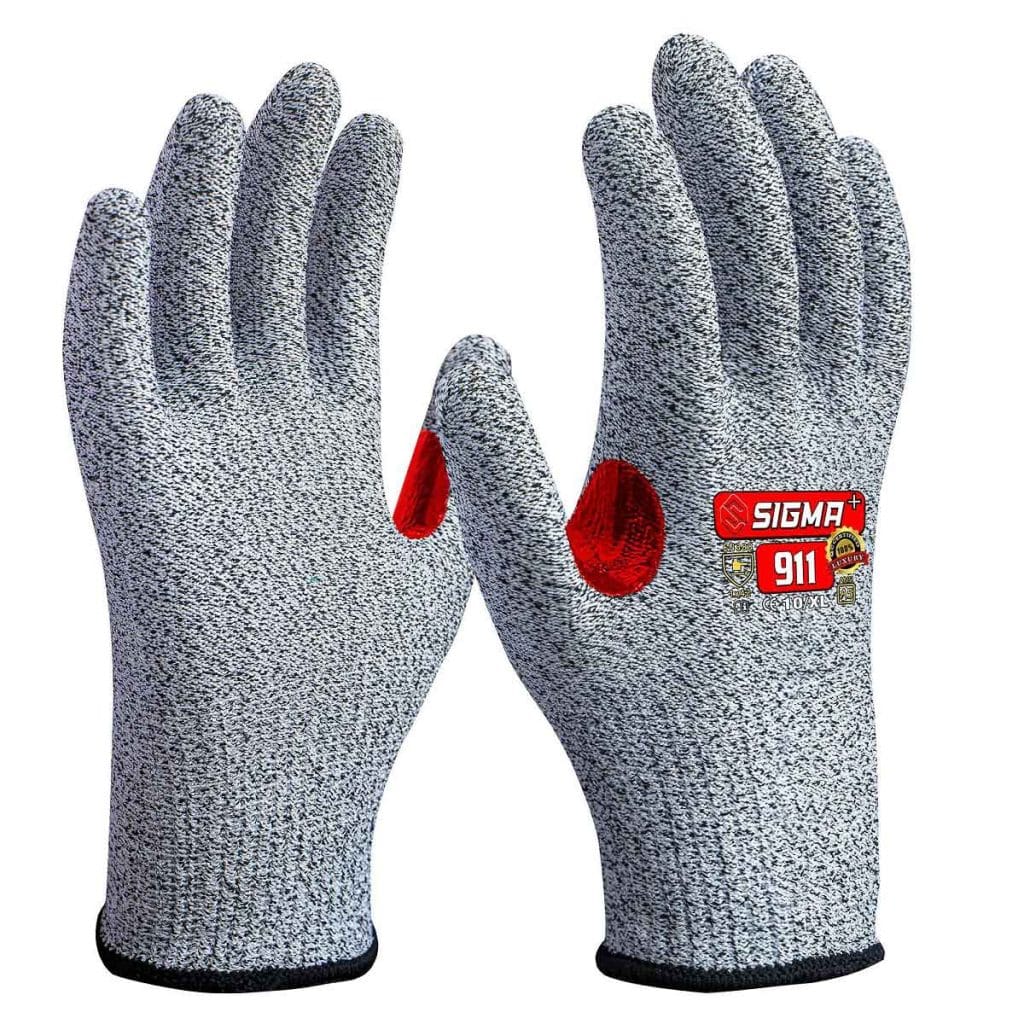
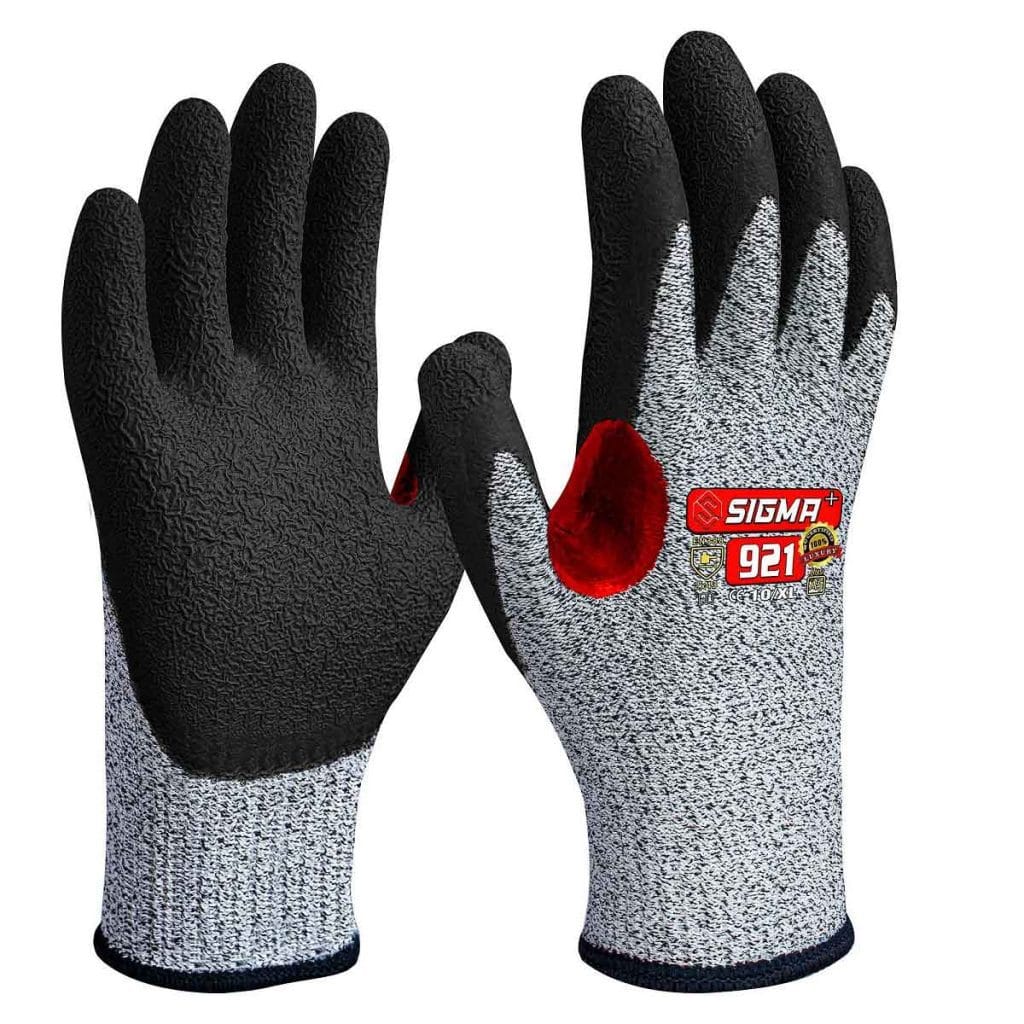
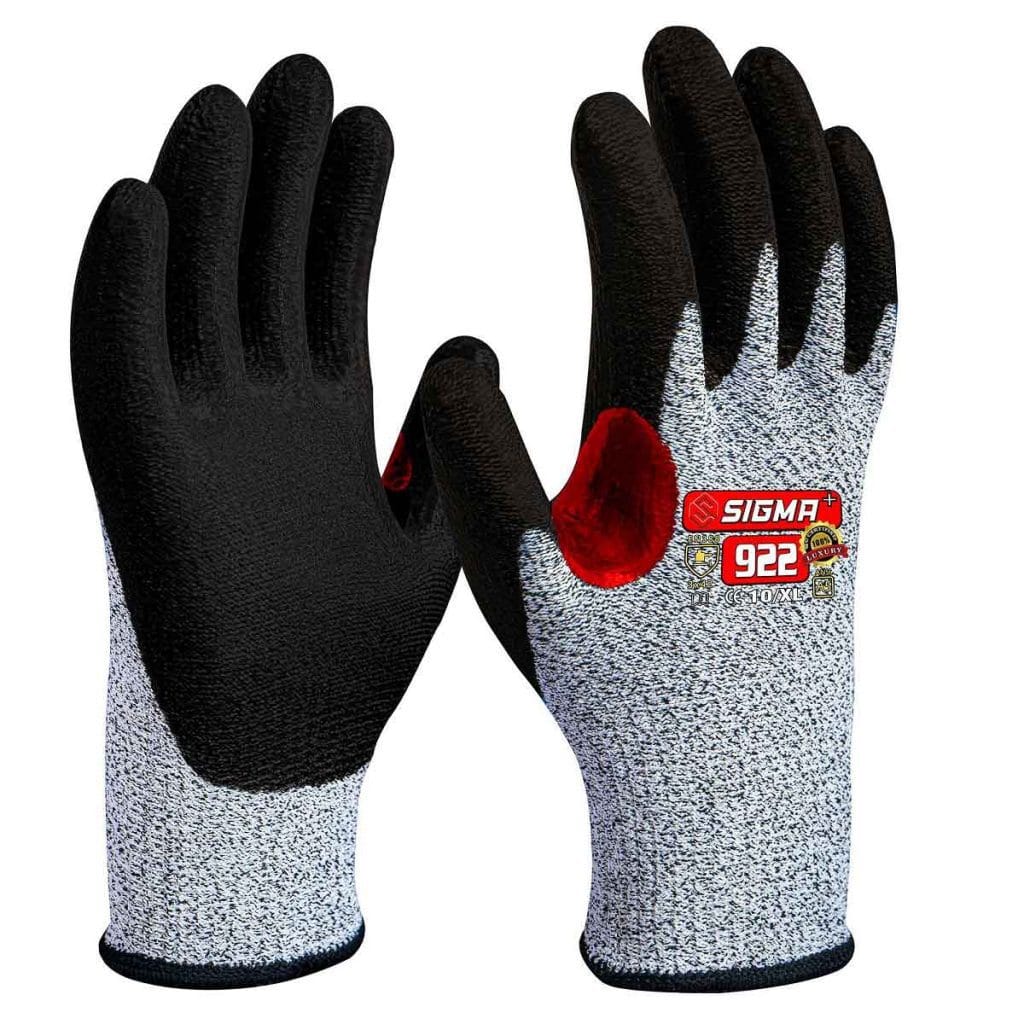
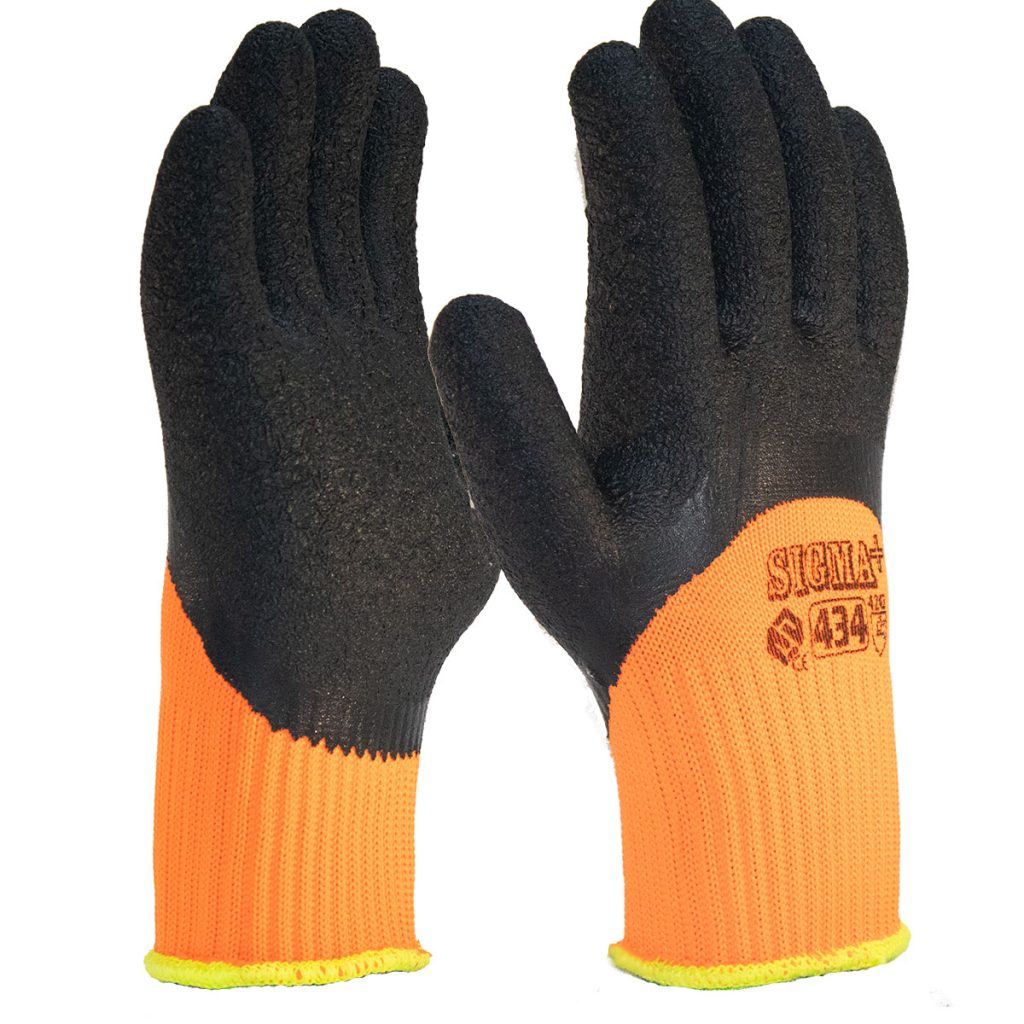
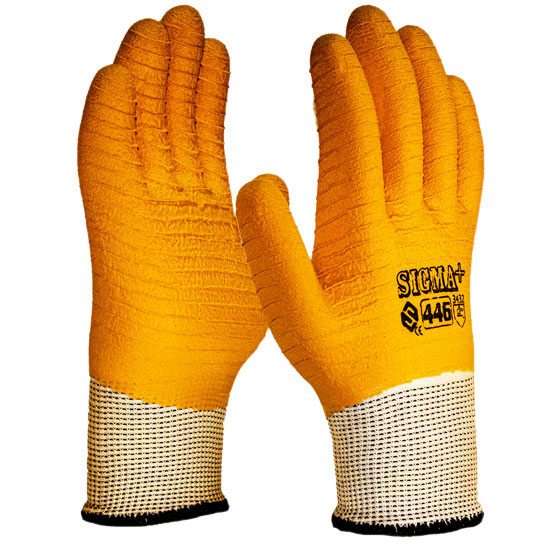
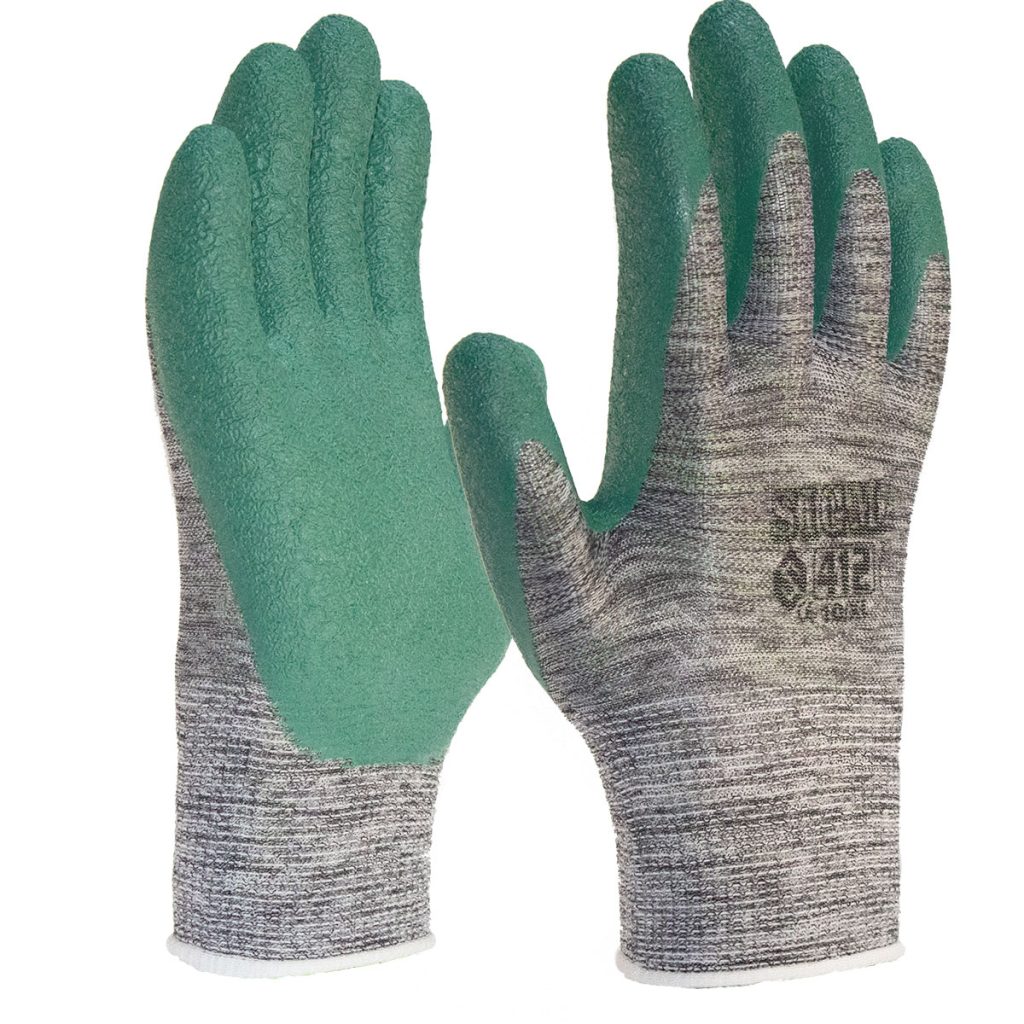
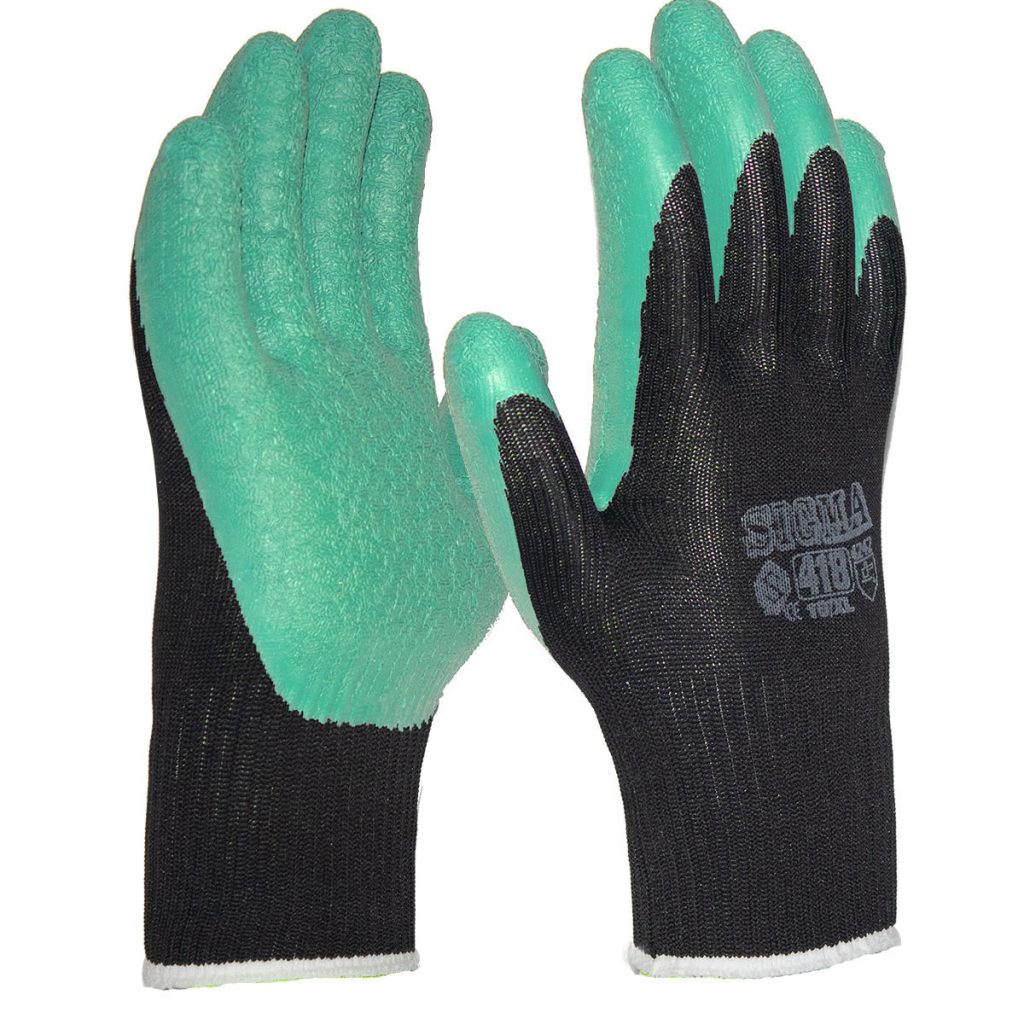
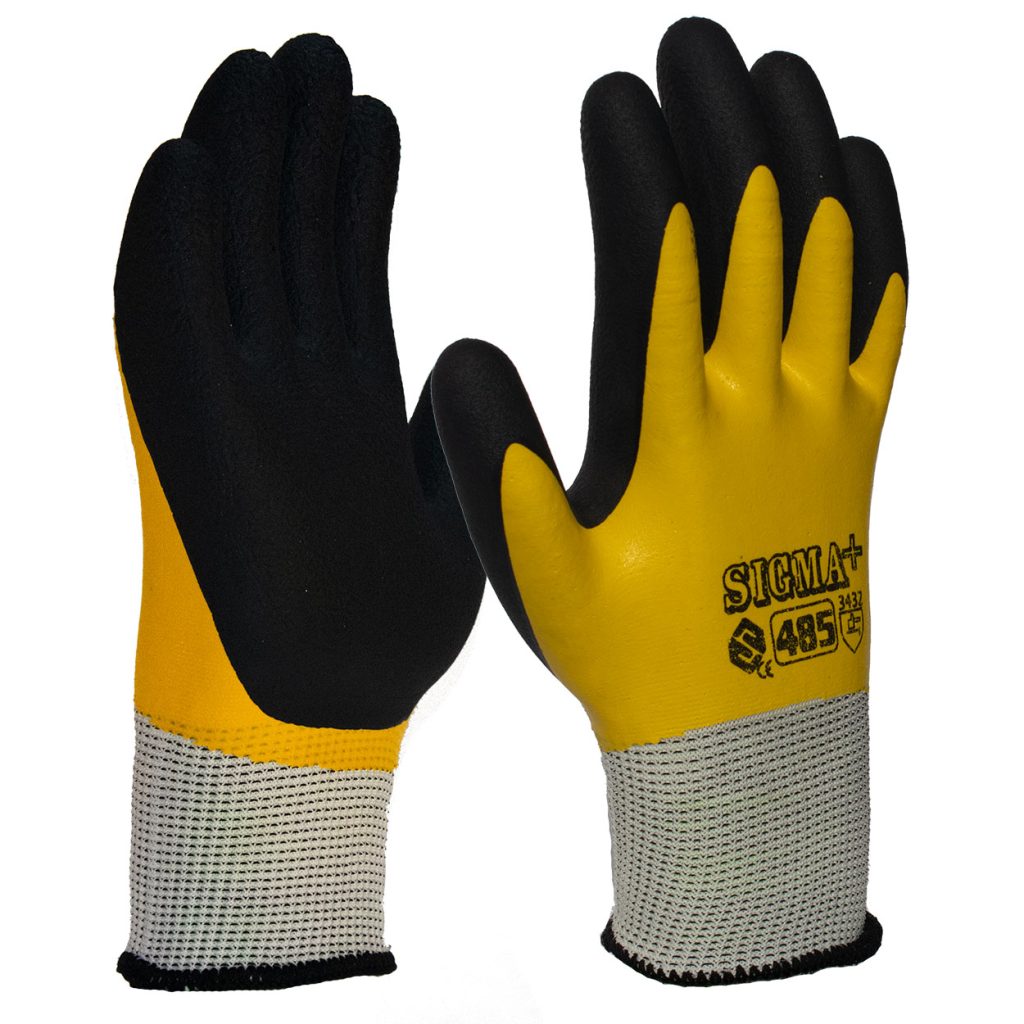
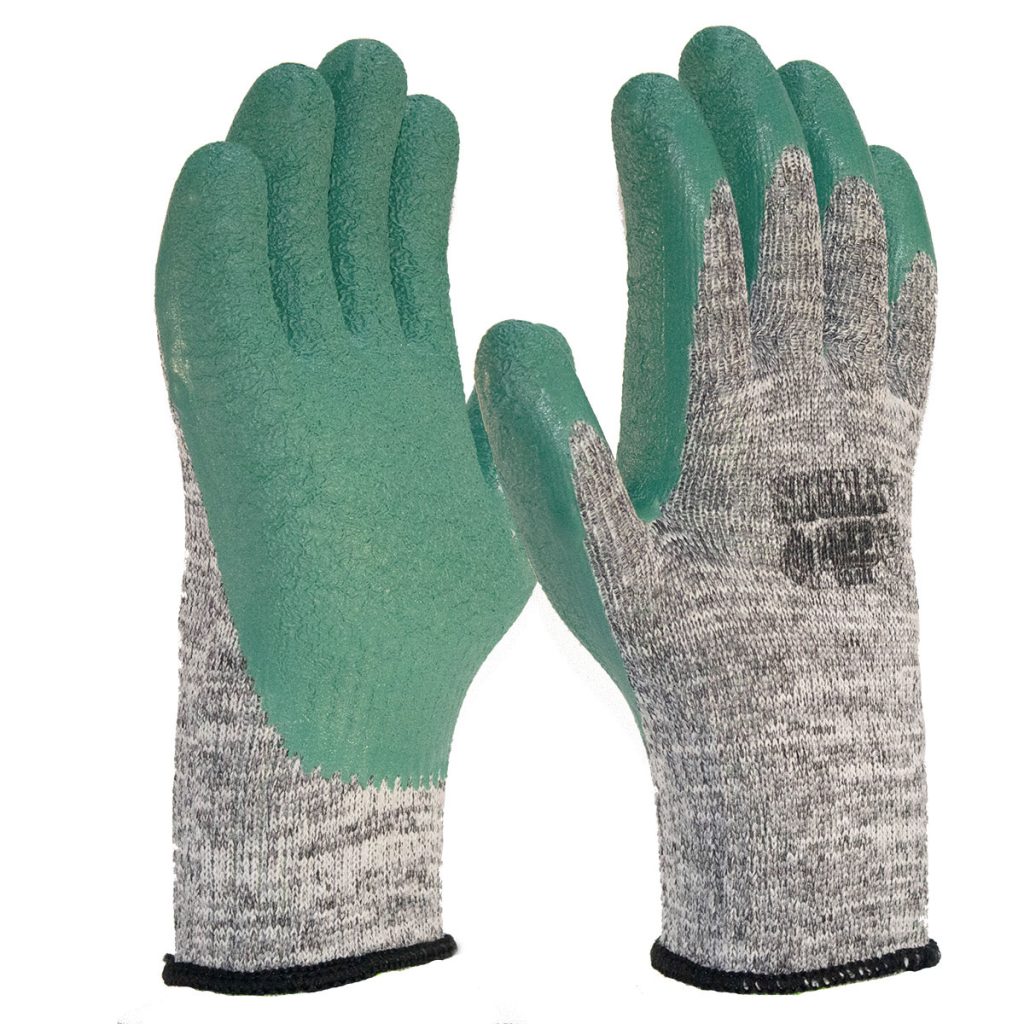
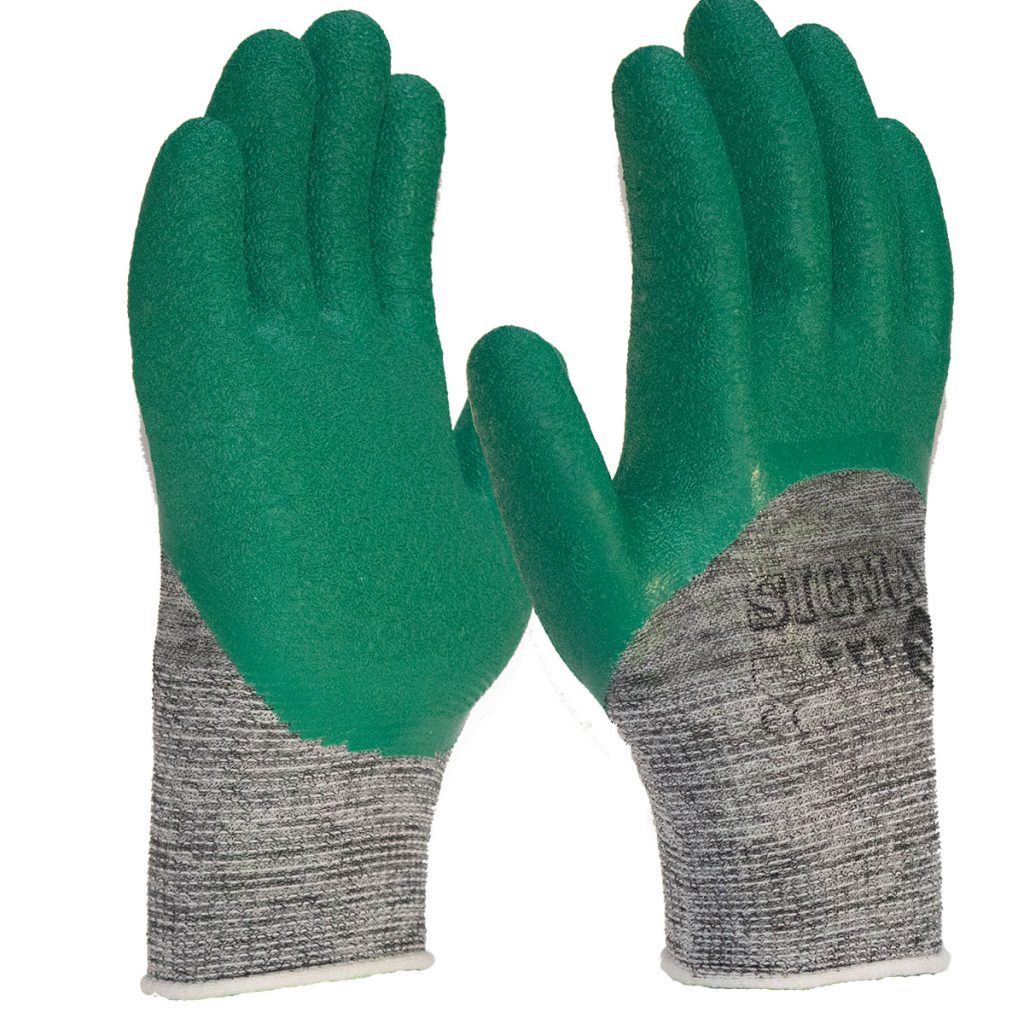
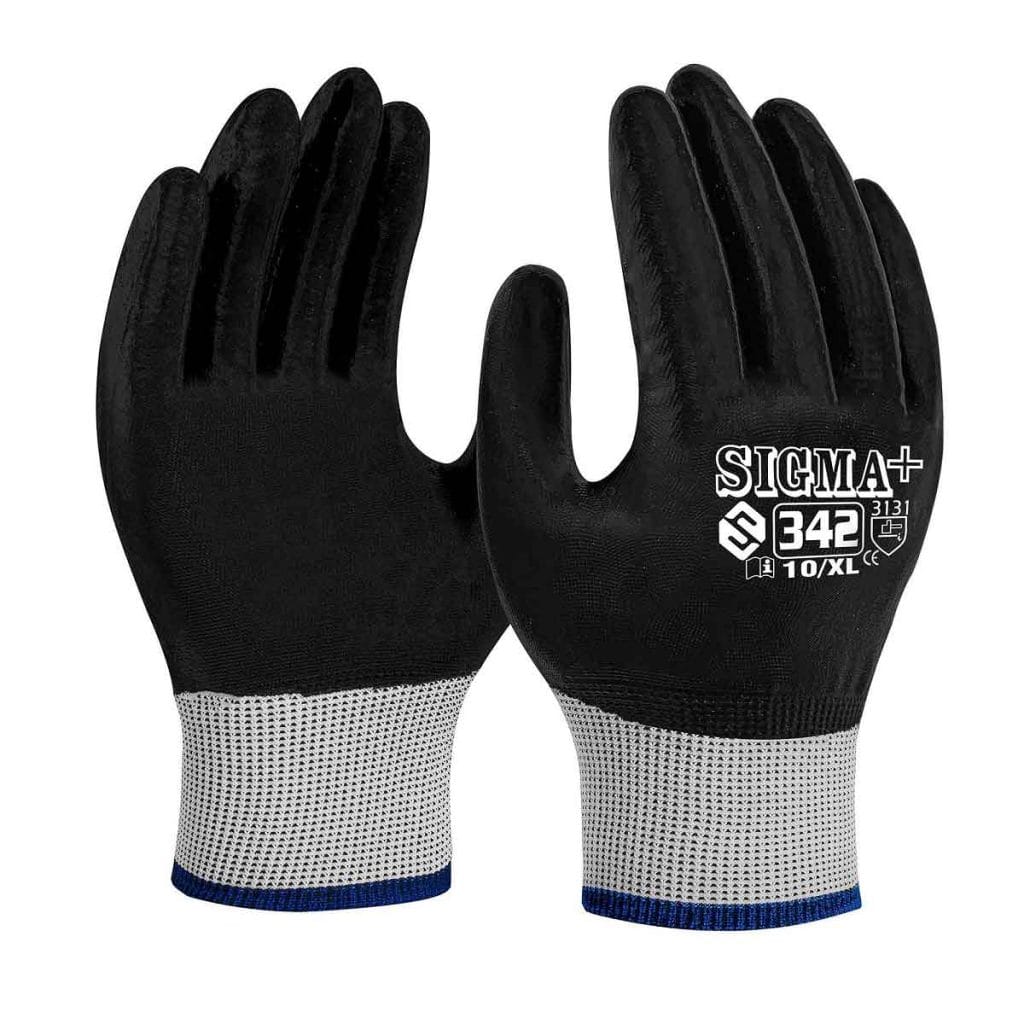
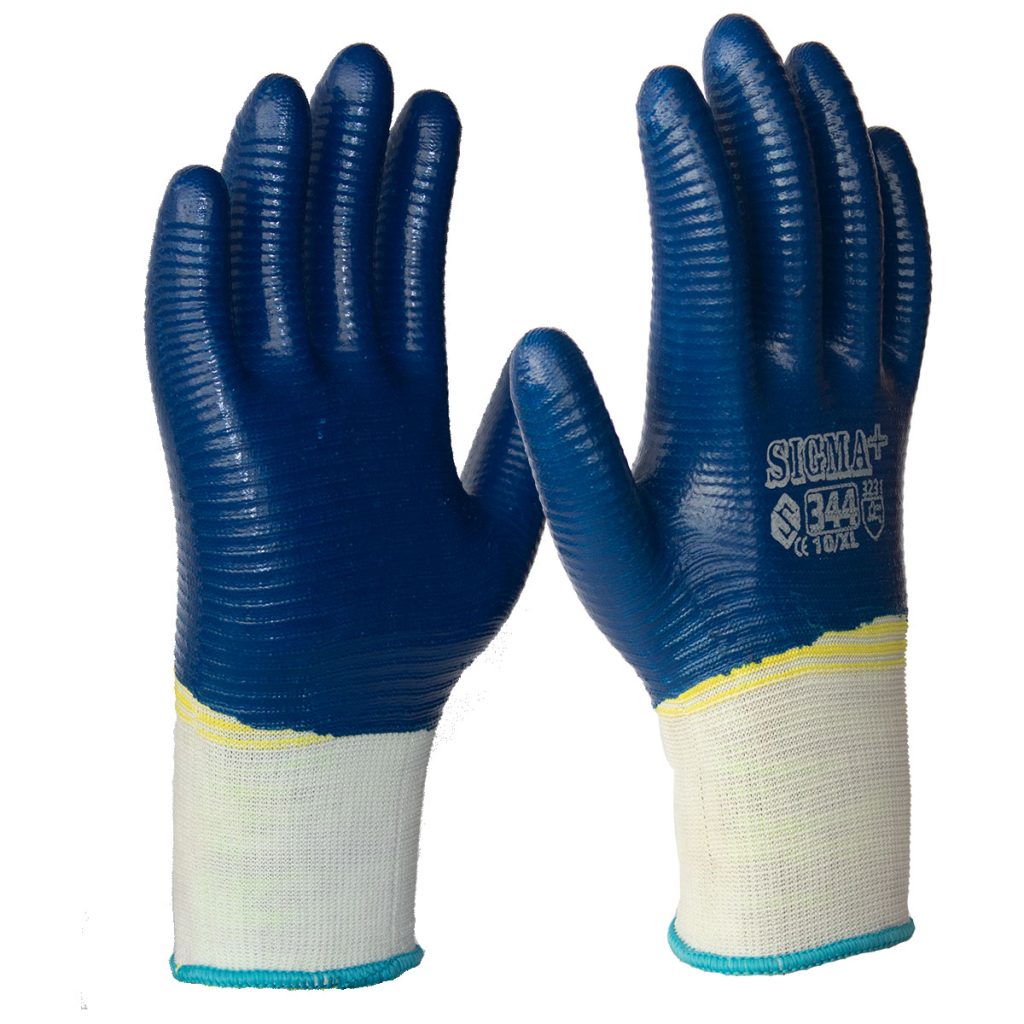
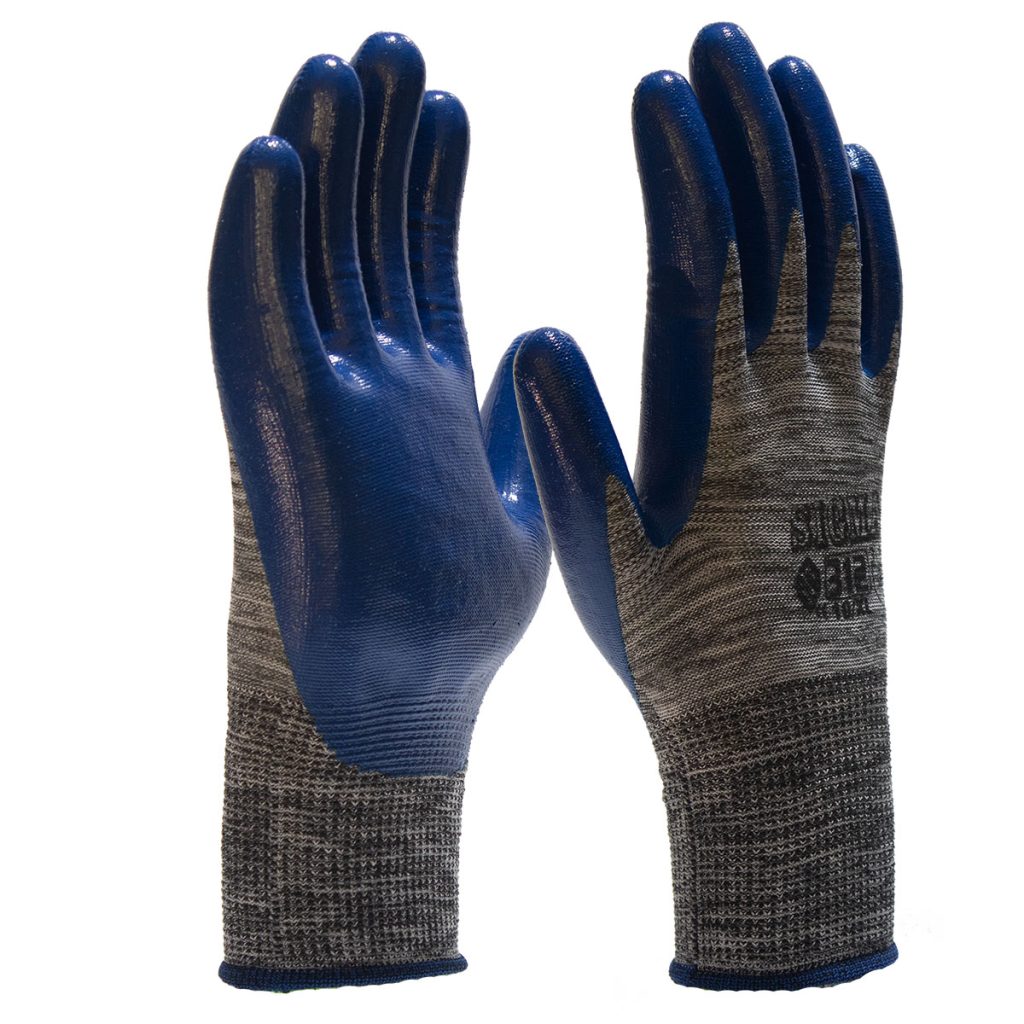
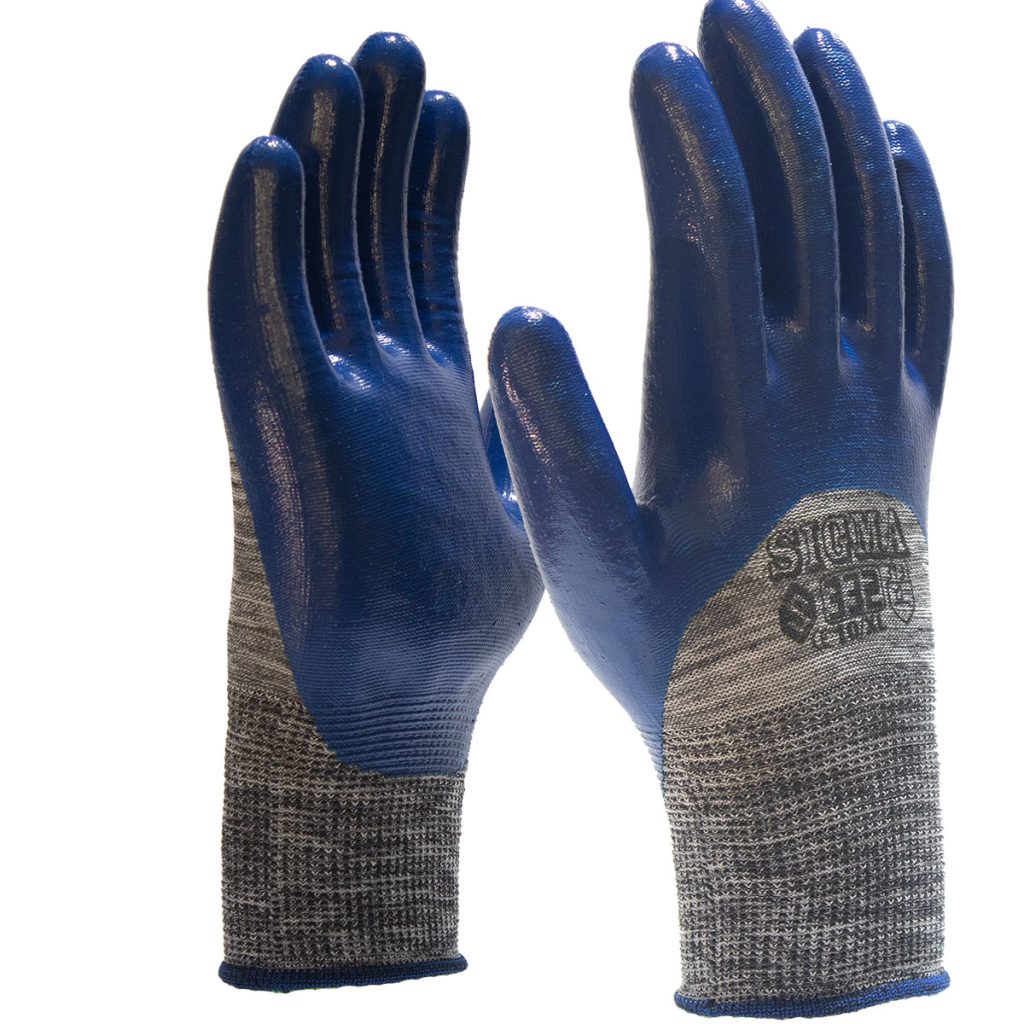
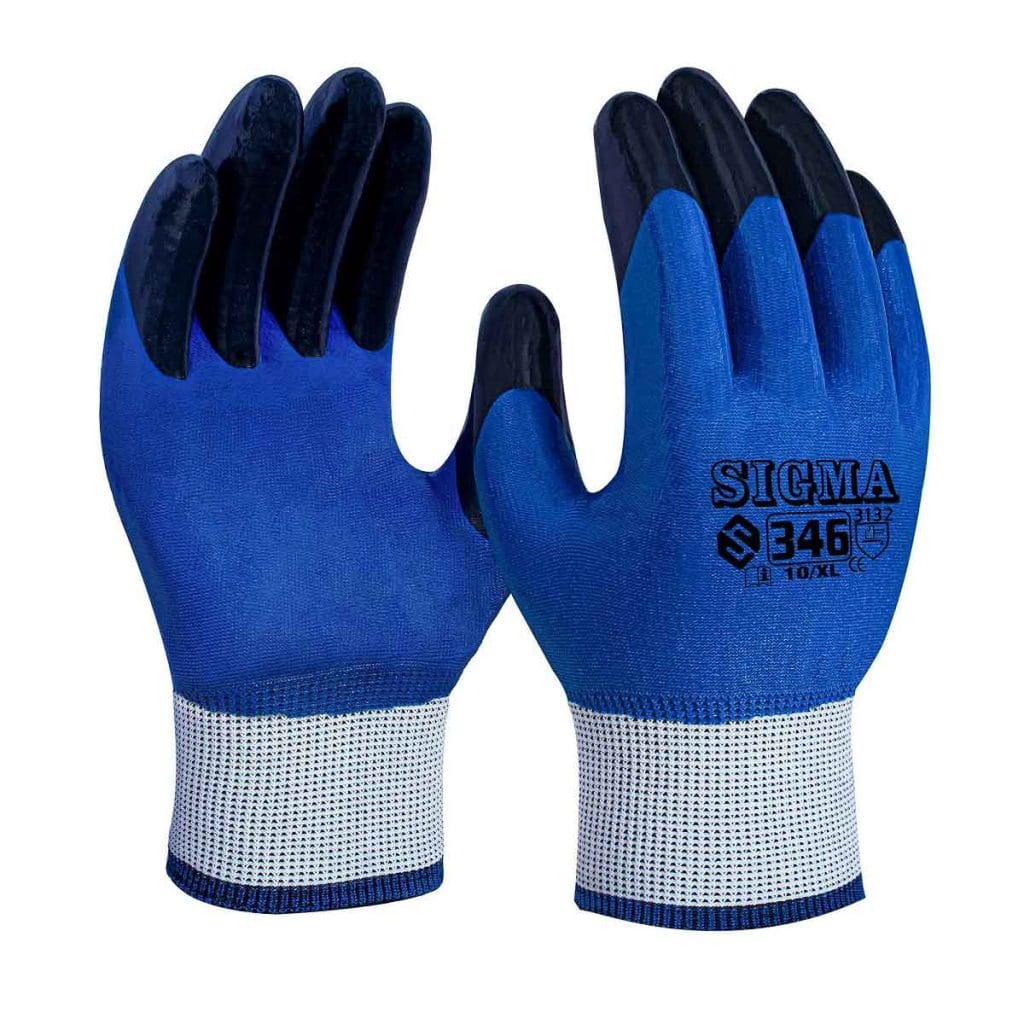
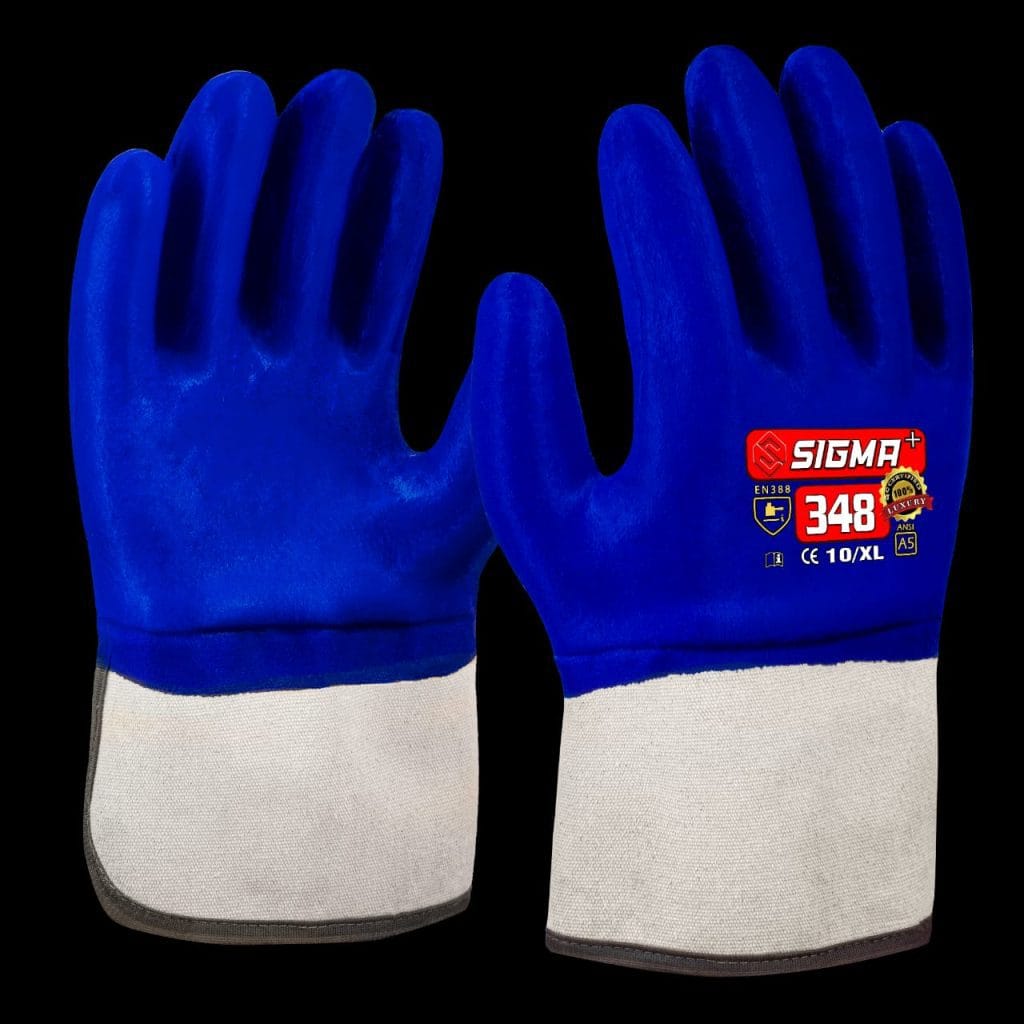
Safety is one of the core principles in workshops, factories, and construction sites. It is clear that failing to follow this important principle can lead to serious and irreversible human and financial losses. Various types of work gloves are used to protect workers’ hands in industrial and other environments. Work gloves are among the most essential protective equipment for safeguarding hands when using tools in different fields such as welding, cutting wood and metals, gardening, masonry, and more. Safety and industrial gloves are manufactured with different fabrics and coatings depending on their intended applications.

What Are Work Gloves?
Work gloves are part of personal protective equipment (PPE) used in industrial workplaces and when handling tools. They cover and protect the hands from the wrist to the fingertips. Work gloves are designed to protect hands and fingers from hazards such as cuts, blisters, abrasion, punctures, and thermal or chemical burns.
The type of glove varies depending on the work environment. Work gloves may also be referred to as safety gloves or industrial protective gloves. They can be made from fabric, leather, wool, latex, rubber, nitrile rubber, vinyl, neoprene, or metal. Gloves provide comfort and protect hands from exposure to extreme temperatures and injuries caused by cuts, friction, tearing, punctures, abrasion, harmful biological or chemical contact, and infectious diseases.
Work gloves are used by many professionals such as aircrew, barbed wire handlers, butchers, divers, masons, loggers, police officers, physicians, firefighters, workers in food, chemical, and pharmaceutical industries, gardeners, farmers, machine operators, military personnel, athletes, welders, blacksmiths, and more. Due to the different hazards and conditions faced by various professions, many types of work gloves exist. The nature of the job determines which type of glove a professional needs.
Coated Work Gloves
Coated work gloves are an important protective tool in industry and workshops. These gloves help workers protect their hands against potential injuries. Key benefits of coated work gloves include:
1. Protection against environmental hazards: Coated gloves can protect against risks such as cuts, punctures, splinters, and impacts.
2. Increased safety: Using coated gloves allows workers to ensure their safety and reduce the risk of injury.
3. Improved performance: These gloves enable workers to perform tasks more effectively and with greater confidence.
4. Protection against allergens: Some individuals may be exposed to substances that trigger allergic reactions. Coated gloves can help prevent such reactions.
5. Improved usability: With coated gloves, workers can more easily use tools such as mobile phones, computers, and touch devices.
Components of Coated Work Gloves
Like leather gloves, coated gloves are manufactured using different methods, and various elements affect their performance.
♦ Glove Liner
The liner is the primary component of a coated glove. Three commonly used fibers include:
Nylon, which is highly abrasion-resistant with good absorbency and enhanced tactile sensitivity; Polyester, which resists shrinking and stretching and dries quickly; and high-performance high-performance polyethylene (HPPE), which provides maximum cut resistance with minimal weight. Some gloves may combine these fibers.
Knitting gauge affects strength and application. Gauge refers to the number of stitches per inch. A higher gauge provides better grip, dexterity, and tactile feel. Typical coated glove gauges range from 7 to 18.
♦ Glove Coating
Four common glove coating types differ in benefits and applications: latex, nitrile, PVC, and polyurethane.
Natural Latex Coated Gloves
Latex-coated gloves are resistant to cuts, abrasion, and tearing. They are suitable for both wet and dry environments. Due to resistance to water and alcohol, they are often referred to as rubber gloves. Latex gloves are popular in construction, agriculture, warehousing, and general material handling. They should not be used around hydrocarbons, organic solvents, open flames, or by individuals with latex allergies.
Nitrile Coated Gloves
Nitrile-coated gloves are an excellent latex alternative for oily work environments and provide outstanding grip. Nitrile micro-foam gloves are three times more puncture-resistant than rubber but are not slip-resistant.
Sandy nitrile gloves offer strong grip in wet, dry, and oily conditions. Oil does not penetrate the glove as it can with micro-foam. However, sandy nitrile gloves are less breathable due to the manufacturing process. Both nitrile types are suitable for oily areas, construction, sanitation, glass/sheet-metal handling, agriculture, and automotive or aircraft maintenance. They should not be used with adhesives.
Nitrile remains stable at temperatures from −40 °C to 108 °C (−40 °F to 226 °F), making it ideal for aerospace applications. Its flexibility also makes it useful for disposable laboratory, cleaning, and examination gloves. Compared with natural rubber, nitrile offers higher resistance to oils and acids and greater durability, though with lower elasticity and tensile strength.
PVC Coated Gloves
PVC-coated gloves are work gloves with a polyvinyl chloride coating on the palm and/or fingertips. The PVC coating enhances grip, protection, and durability, making them suitable for paint industries, construction, chemical handling, oil and gas, automotive, and agriculture.
PVC-coated gloves are available in various immersion levels such as full coating (4/4), half coating (1/2), and quarter coating (1/4). Fully coated gloves provide maximum protection, while palm/fingertip-coated gloves offer greater dexterity and flexibility.
PVC coating can also provide some resistance to abrasion, cuts, and punctures. However, these gloves are not necessarily cut- or puncture-proof, and protection depends on coating thickness.
Polyurethane Gloves
Polyurethane gloves are high-value work gloves with fine texture, offering excellent tactile sensitivity, breathability, and dexterity. They provide strong grip without stickiness and have good tensile and abrasion resistance. They are popular for tasks requiring handling of small parts, such as electronics, aerospace, glass/sheet-metal handling, cleaning, and paint industries. Polyurethane gloves are not recommended for temperatures above 79 °C (175 °F).
Buying Safety Work Gloves
Safety gloves are essential for protecting workers’ hands and maintaining their health. When purchasing safety gloves, several important factors must be considered, as detailed below. You can also contact Sigma experts for reliable consultation and purchasing advice.
Important Tips When Buying Safety Work Gloves
1. Glove type: Safety gloves are produced in various types such as latex, nitrile, polyurethane, vinyl, cotton, etc. Choose the type suitable for your application.
2. Glove size: Proper sizing is critical. Gloves should fit fully and snugly to prevent penetration of chemicals or biological agents.
3. Glove resistance: Select gloves with adequate resistance to chemicals, cuts, punctures, and light impacts. Inappropriate gloves may expose hands to hazards.
4. Glove coating: Inner coatings help absorb sweat and improve hygiene, while outer non-slip coatings enable use in dry and wet conditions.
5. Application: Define the intended use (chemicals, cutting, crushing, etc.) and choose gloves with appropriate protective properties.
6. Standards: To ensure quality, select gloves certified to standards such as EN388 and EN374, which cover resistance to cuts, punctures, abrasion, and chemicals.
7. Price: Cost is an important factor, but safety glove quality should not be compromised for savings.