
Oil resistant & Solvent resistant gloves

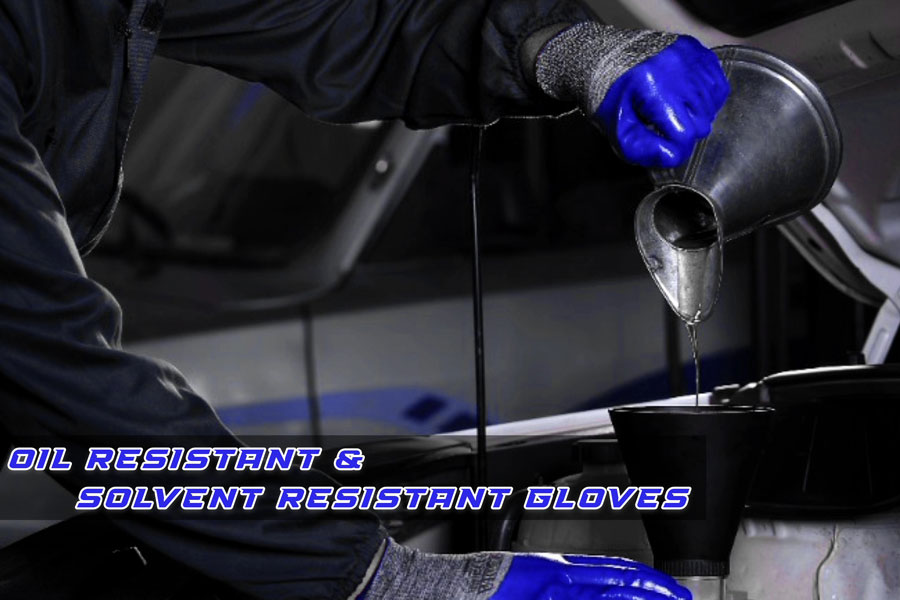
Solvent-Resistant and Oil-Resistant Gloves
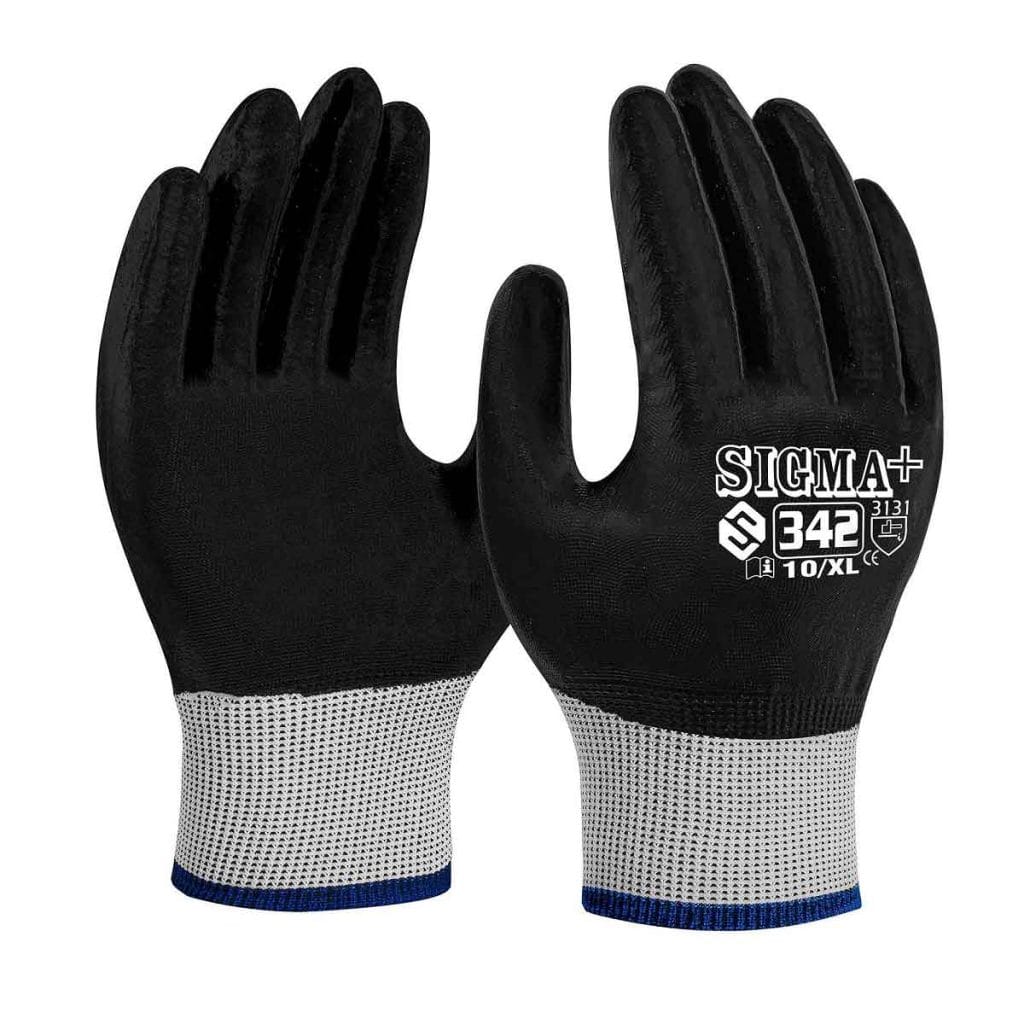
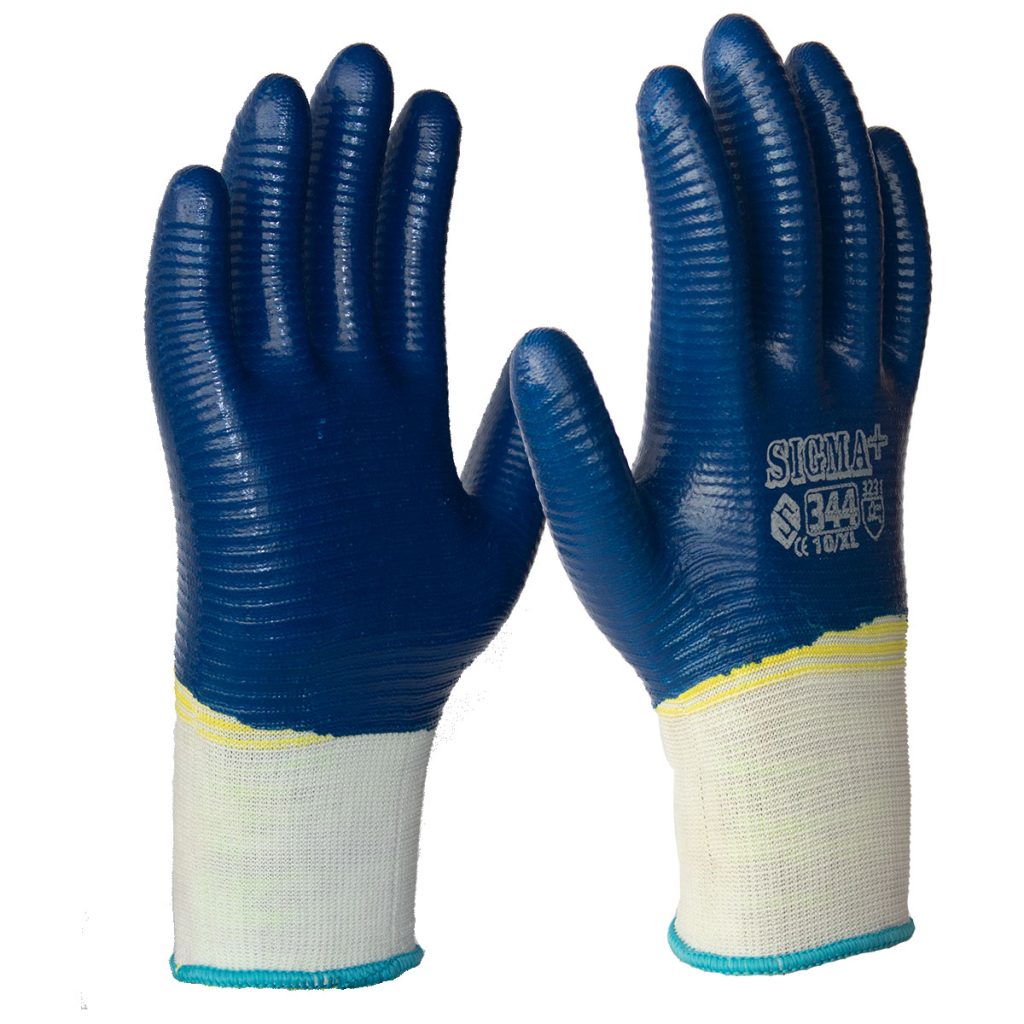
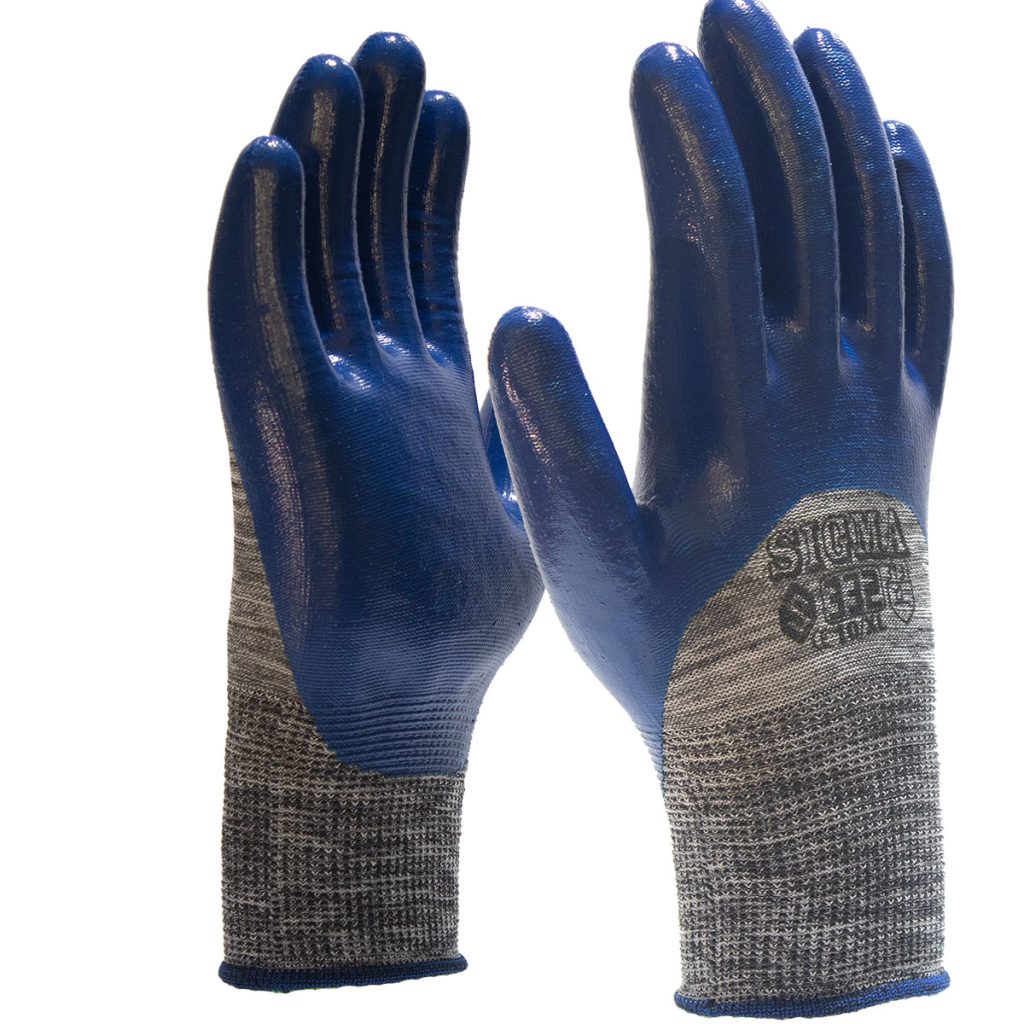
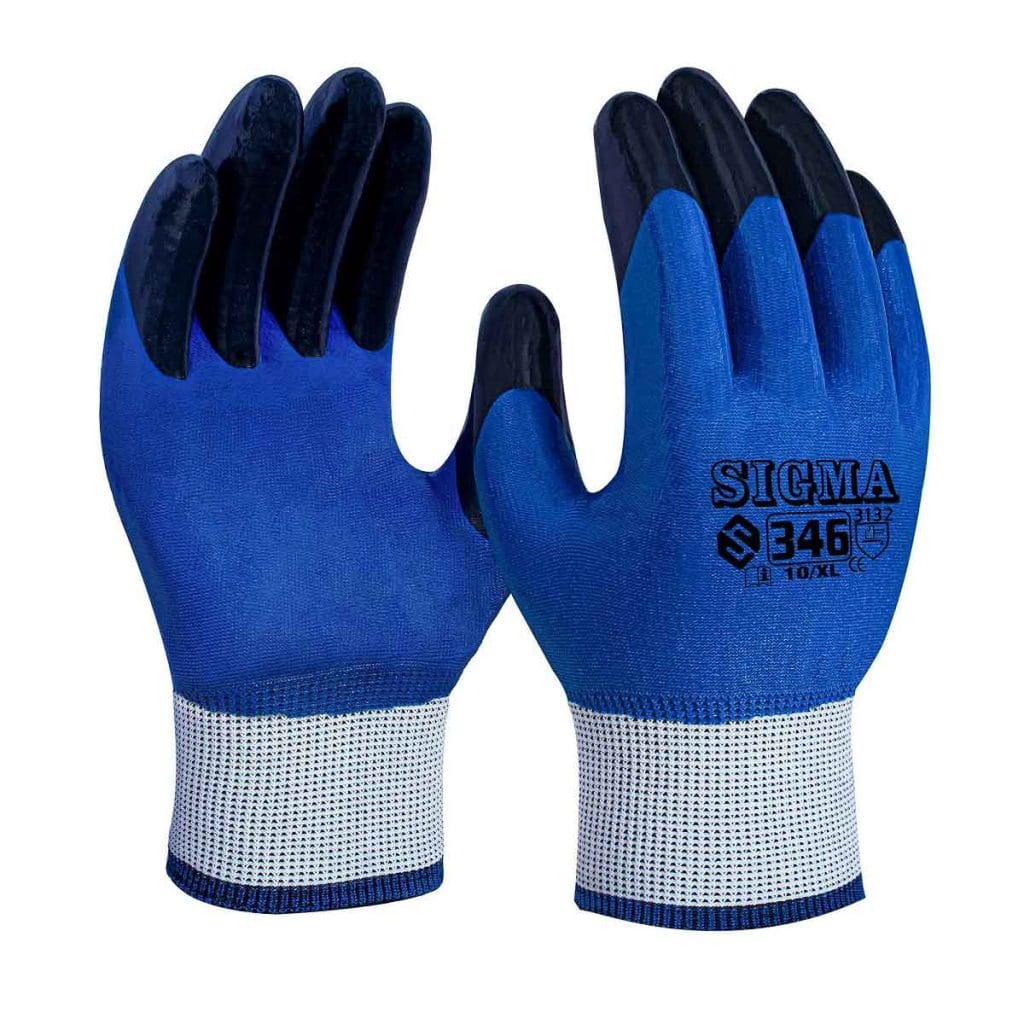
Solvent-resistant and oil-resistant gloves are specifically designed to protect workers and individuals who come into contact with solvents or petroleum-based materials. These gloves are made from specialized materials that provide high resistance against solvents and oil products, preventing these substances from reaching the hands.
The importance of these gloves spans many industries. For instance, in chemical, oil and gas, automotive, interior decoration, dyeing and painting, cleaning, disinfection, and numerous other sectors, solvent- and oil-resistant gloves are essential components of personal protective equipment (PPE). Using these gloves allows workers to safely handle aggressive or hazardous chemicals, flammable substances, harmful radiation, and other potential hazards. They enable safer and more efficient work processes, reducing accidents and environmental contamination.
Definition of Solvent- and Oil-Resistant Gloves
Solvent- and oil-resistant gloves are designed to protect hands from contact with aggressive solvents and petroleum-based materials. They are made from materials that resist various chemicals and prevent penetration to the hands.
In addition to chemical resistance, solvent-resistant gloves typically offer properties such as tear and abrasion resistance, sweat resistance, and usability in both wet and dry conditions. These gloves are widely used in industries including chemical, petrochemical, paint and resin, and other industrial processes.
Oil-resistant gloves protect hands from contact with petroleum, gases, and other hazardous substances. They are manufactured from materials that resist oil, grease, and other viscous substances. These gloves are extensively used in oil and gas operations, fuel transportation, drilling, and petroleum exploration to safeguard workers’ hands.
Applications of Solvent- and Oil-Resistant Gloves
Oil and Gas Industry:
In this sector, these gloves are essential for protecting workers’ hands against solvents and petroleum products such as mineral oils, benzene, petrol, and other hydrocarbons.Chemical and Petrochemical Industry:
Solvent- and oil-resistant gloves prevent direct contact with strong or toxic chemicals, including acids, bases, solvents, and other hazardous solutions.Material Processing Industries:
In manufacturing and processing, these gloves protect workers from hazardous chemicals and mineral oils. They are used on production lines, in laboratories, and during refining processes.Maintenance and Repair Services:
These gloves provide necessary protection and flexibility for workers handling hazardous or lubricating substances during maintenance operations.Food Industry:
In food production, packaging, and processing, solvent- and oil-resistant gloves protect workers’ hands while maintaining safe interaction with food products and other materials.
Standards and Testing Methods for Solvent- and Oil-Resistant Gloves
Several standards and tests ensure the quality and performance of solvent- and oil-resistant gloves:
EN 374:
This standard covers gloves resistant to chemicals and corrosive solutions. Gloves must provide adequate protection against all corrosive solutions and perform as solvent-resistant.ASTM D6978-05:
This standard applies to gloves resistant to anticancer drugs and other chemicals. Various tests are performed to ensure the gloves provide adequate chemical protection.ANSI/ISEA 105:
This standard determines glove resistance levels against hazardous substances. Gloves are tested for penetration speed, thickness, and material strength.Penetration Test:
Gloves are exposed to different substances to measure their resistance to chemical penetration.Tensile Strength Test:
This test measures the glove’s ability to withstand pulling forces, assessing durability against stretching and tearing.Puncture Resistance Test:
Gloves are tested for their resistance to puncture and breakage.