
Latex workgloves

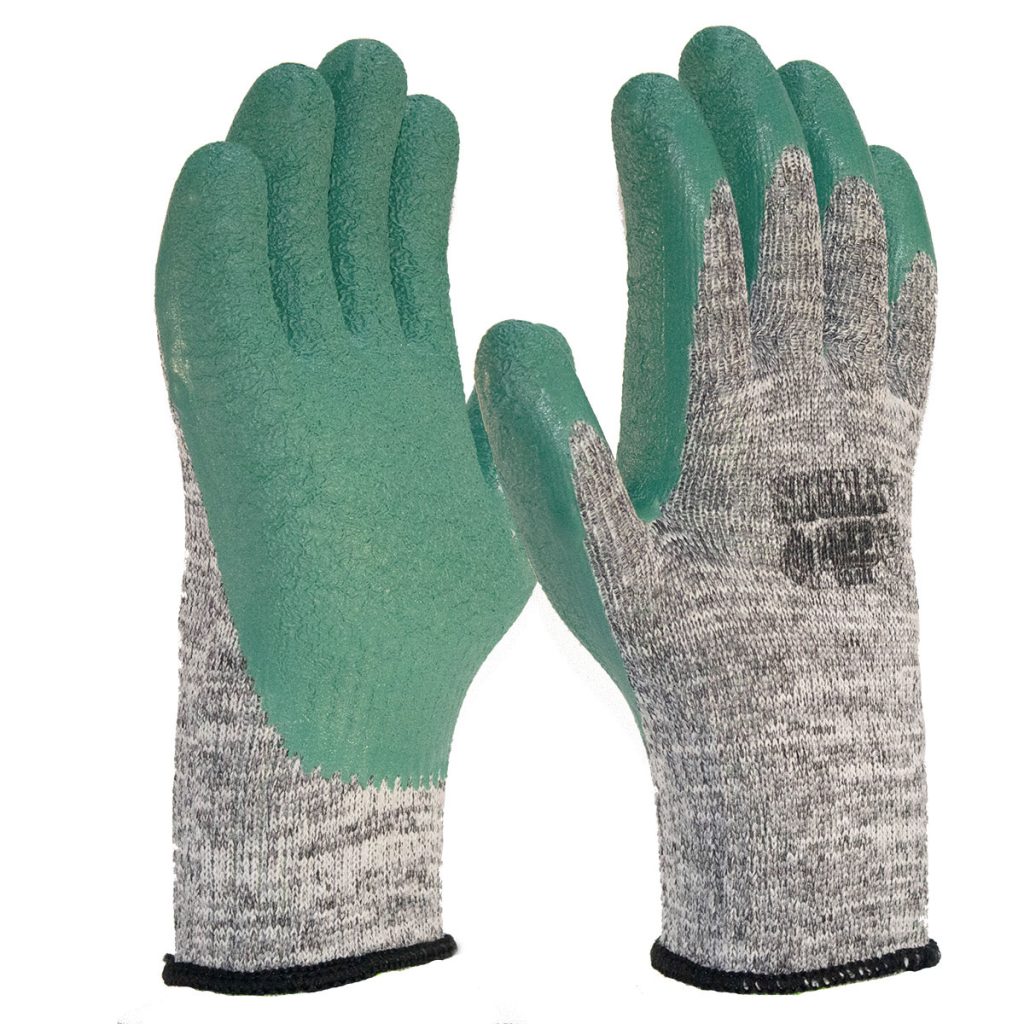
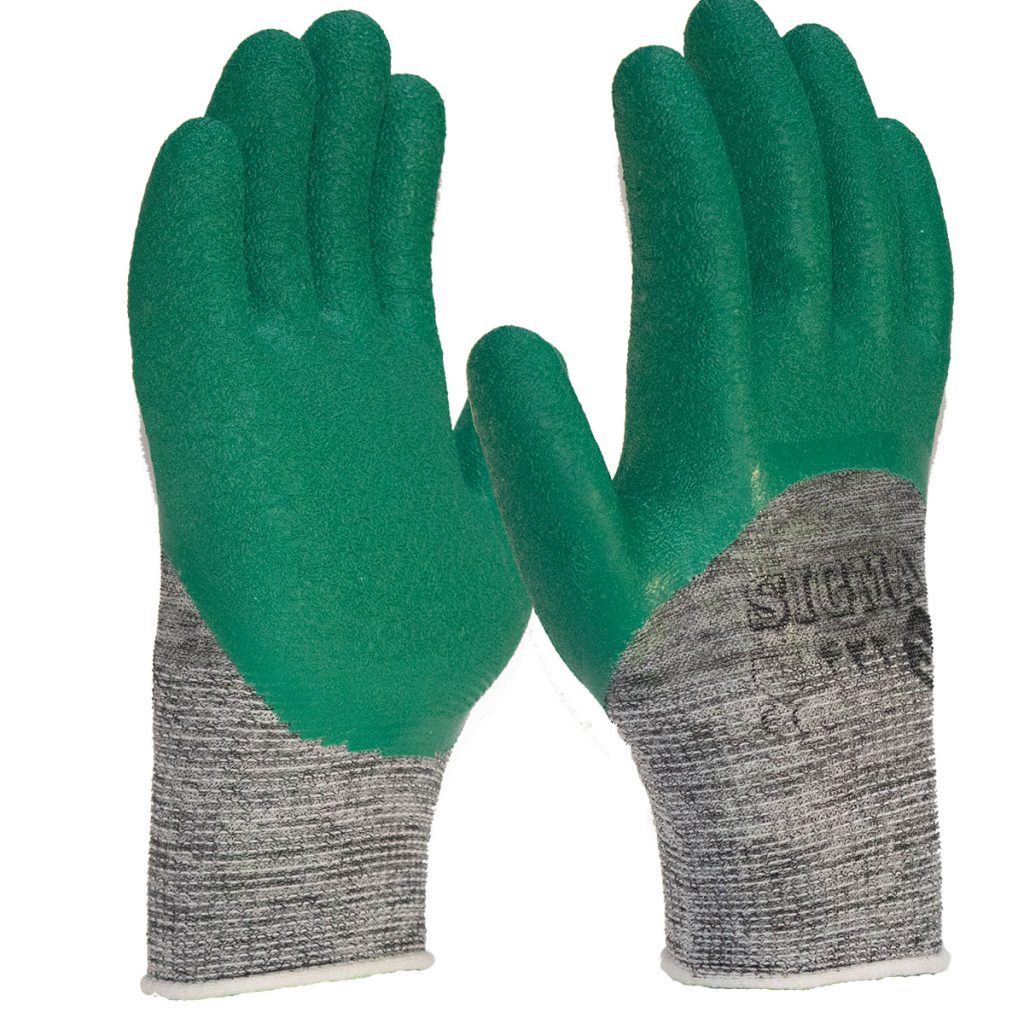

Latex Coated Gloves
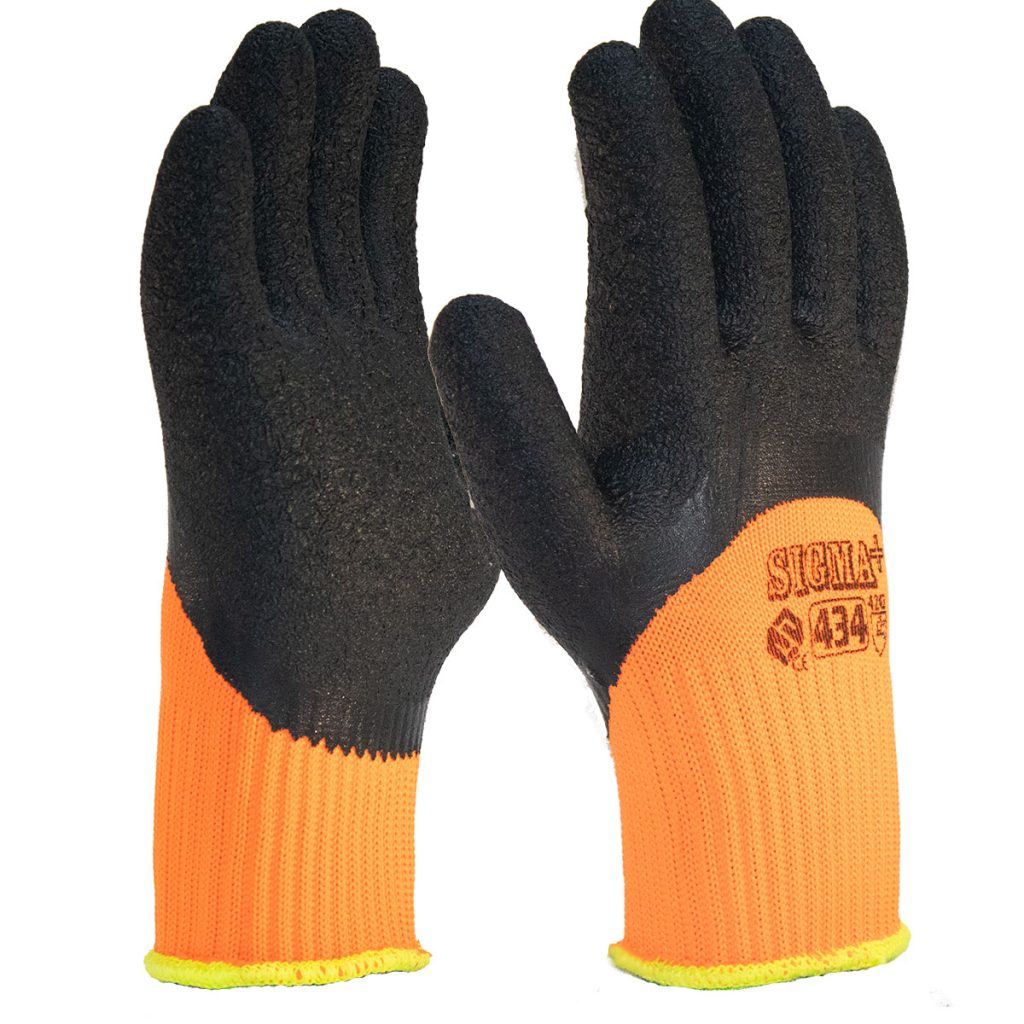
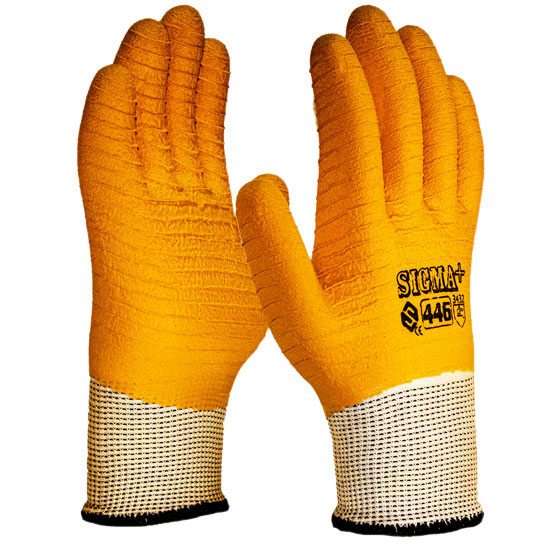
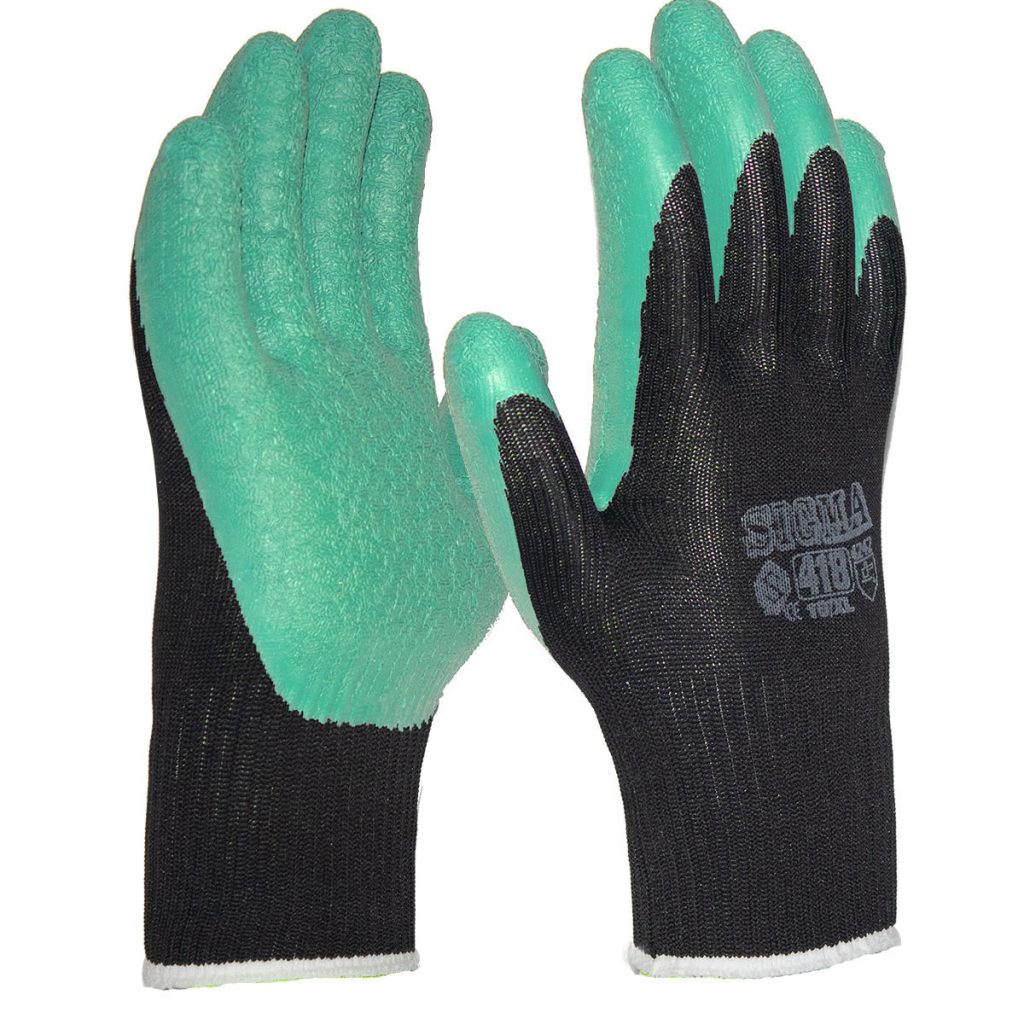
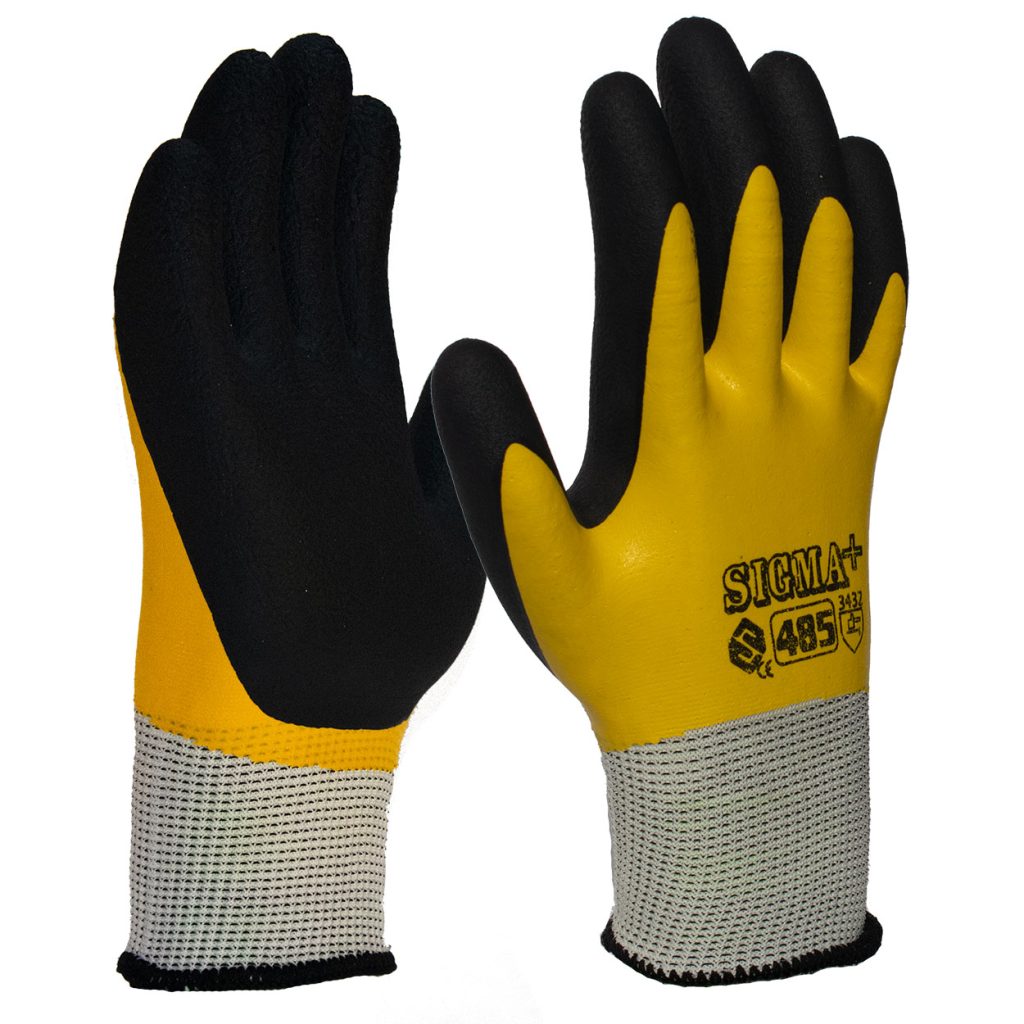
A latex coating is used as an additional barrier material on work gloves. An extra layer of protection on a string-knit or a jersey glove allows you to retain the comfort, while adding both a great grip and an increased level of hand protection. Latex coated gloves are suitable for handling small parts, use in the automotive industry, metal stamping, construction work and general purposes. These latex palm gloves offer strong grip, dexterity, good abrasion resistance, puncture-resistance and overall durability. Latex has very high elasticity and exceptional grip capabilities compared to other glove materials; it can also withstand high temperatures and has great tear resistance. In regards to chemicals, it resists alcohols and certain ketones, but performs poorly around most hydrocarbon and organic solvents, such as gasoline and kerosene. Please be advised that due to allergy issues, latex coated gloves are not always an option for some workers.
As well as providing good protection latex coated gloves also provide great flexibility, grip and abrasion resistance. Most of our latex coated gloves have an uncoated back to allow the hand to breath while the palm is fully coated for the protection you need. We have a large selection of protection levels and sizes to suit all.
One of the most significant innovations during this time was the creation of dipped gloves which was a game-changer for the personal protective equipment (PPE) industry.
Today, the PPE industry has moved even further beyond the original dipped latex glove and is able to offer a dipped coated glove in a variety of materials that are great for different industries and applications depending on the worker and job need.

What are the differences between types of latex-coated work gloves?
Latex-coated work gloves are used to protect hands from various workplace hazards. They come in different types, and each type has specific applications depending on the liner material, coating coverage, and surface texture. Below are the key differences between latex-coated work gloves:
1. Liner material:
Depending on the intended task, latex-coated gloves may use different liner materials. For example, some gloves are made of polyester, which is suitable for general work, while others are made of nylon or cotton, which are better for tasks requiring higher precision and dexterity.
2. Level of latex coating (dip):
The amount of latex coating varies. Some gloves are coated only on the fingertips, while others are fully coated. Heavier latex coverage is better suited for tasks requiring resistance to water or chemicals.
3. Glove surface texture:
Depending on job requirements, the coating surface can be smooth or crinkled/rough. Textured gloves provide better grip and are ideal for handling slippery objects.
4. Strength and durability:
Latex-coated gloves are available in different strength levels. Some are designed for light-duty tasks, while others are intended for heavy-duty and rough work environments.
5. Size range:
Latex-coated work gloves are manufactured in various sizes to ensure a proper fit for different hand sizes.
Note:
Latex may cause allergic reactions in some individuals. If you plan to use latex-coated gloves, make sure you are not sensitive or allergic to latex.